


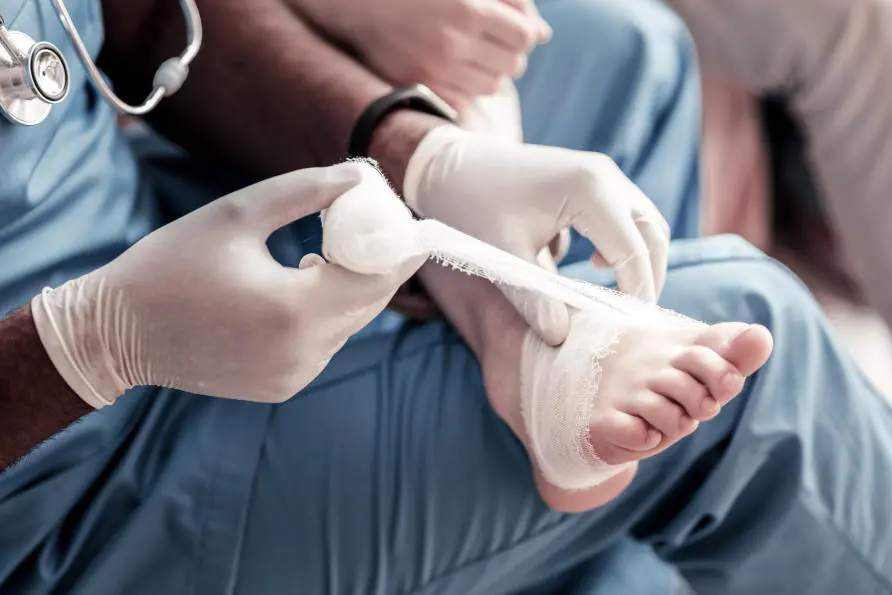
In most cases, a wound takes a few weeks to heal. However, there are other instances where either the wound takes a lot of time to heal or it recurs soon after appearing to heal. In case this happens to you, know that you’re not the only one experiencing it.
There are many patients who ask why wounds keep recurring even though they apply various forms of treatment like medication, dressings, or even home-made remedies. It could be due to health problems, poor circulation, infections, pressure or a patient’s way of living.
A recurrent wound should be taken seriously as it might mean something serious regarding your health and needs special attention.
What Is a Chronic Wound?
A chronic wound is one which fails to heal within an acceptable period of time or reopens after it heals. This type of wound needs special care since it is usually caused by other underlying conditions apart from the injury to the skin.
Types of chronic wounds include:
- Diabetic ulcers
- Venous ulcers
- Arterial ulcers
- Pressure sores
- Post-surgery wounds
Failure to treat these wounds may result in infections and other serious conditions.
What Causes Recurrent Wounds?
In general, recurrent wounds occur due to an untreated root cause. While the wound can be protected using a bandage, the problem that prevents healing will persist.
1. Poor Circulation
Adequate blood supply provides oxygen and nutrients required for the repair of damaged tissue. Poor blood supply due to diseases such as peripheral artery disease or chronic venous insufficiency prevents wounds from healing properly.
The wound will open again if the blood supply to the wound is not adequate enough.
2. Diabetes
Diabetes causes high levels of sugar in the body, damaging blood vessels and nerves. As a result, there is poor circulation and reduced sensations in the feet and lower leg area. Many diabetic patients often do not notice a simple injury before it becomes a wound.
High levels of glucose weaken the immune system, which means wounds tend to recur frequently.
3. Infection
An infection may delay the healing process as bacteria may continue to linger in the wound, causing ongoing inflammation, and new tissues cannot form.
Symptoms of infection include:
- Redness
- Swelling
- Warm skin
- Pus or drainage from the wound
- Bad odor
- Fever
4. Consistent Pressure
Pressure ulcers are common among those who remain in one place for an extended period of time.
The lack of consistent movement and pressure results in a lack of oxygen within the tissue, leading to the reopening of sores.
5. Malnutrition
The healing process requires your body to be supplied with protein, vitamins, minerals, and fluids.
The inadequate intake of nutrients, such as protein, vitamin C, zinc, and iron can cause the delay of the healing process and lead to the development of sores.
6. Smoking
Smoking constricts blood vessels and affects the flow of oxygen to various parts of the body.
Although it might seem that a wound is closed already, continued smoking will affect the formation of new tissue and increase chances of re-opening the wound.
7. Lack of Adherence to the Treatment Plan
Failure to change dressings, failure to attend appointments or ending treatment prematurely will slow down the recovery process.
Many patients cease to care for their wounds once their appearance improves. Nonetheless, the healing process may continue internally and premature termination of treatment raises chances of recurrence.
8. Chronic Swelling
Chronic swelling of legs may add extra pressure to healing wounds.
Compression and exercise usually help in preventing recurrences of wounds.
Warning Signs for Re-occurrence of your Wound
Look out for these early warning signs:
- Change in skin color
- Pain
- Swelling near the healing wound
- Dry skin
- Discharge from the skin
- Recurring skin break-down
- Delayed healing following any minor injury
Early treatment prevents a minor problem from turning into a chronic wound.
Steps to Avoid the Recurrence of Chronic Wounds
Not all recurrent wounds can be avoided, but healthy lifestyle practices can lower their likelihood.
Treat Medical Issues
Make sure diabetes, hypertension, and other conditions are managed properly through the advice of your healthcare provider.
Check Your Skin Regularly
Diabetes patients and people with poor circulation should check their feet and legs daily for injuries or irritation.
Choose Appropriate Footwear
Loose-fitting comfortable shoes will decrease the chances of developing an injury which may turn into a chronic wound.
Maintain a Balanced Diet
The diet should consist of:
- Lean meats
- Fruits and veggies
- Whole grains
- Healthy fats
- Adequate water intake
- Keep Active
Staying active increases blood flow and allows more oxygen to get to the injured tissue. Remember to always do activities that suit your health condition.
Stop Smoking
Not smoking will improve blood flow, boost your immunity, and enable your body to heal effectively.
Observe All Wound Care Guidelines
Always follow all instructions given regarding your wound dressing, taking medicines, and follow-up visits.
What Are Some Instances That Indicate You Need to See a Wound Care Specialist?
Wound specialist consultation should not be deferred when:
- There is no improvement in the wound after two weeks.
- The wound has been open for four weeks or more.
- It continues to re-open.
- An increase in redness, swelling, or drainage is observed.
- You are diabetic or have poor blood circulation.
Your current methods of care at home are ineffective.
Specialized consultation will be able to find underlying causes that would be difficult to determine through regular treatment methods.
Benefits of Advanced Wound Care
Advanced wound care is concerned with addressing both the wound and its underlying cause.
Depending on your case, it can involve any of the following treatments:
- Advanced wound dressing
- Debridement
- Management of infections
- Compression therapy
- Off-loading technique
- Blood flow evaluation
- Customized treatment plan
The Answer Lies in Long-Term Care
Even when a wound heals, the care process shouldn’t stop.
Steps for long-term prevention:
- Medical checkups
- Skin examinations
- Proper nutrition
- Sugar control
- Exercise
- Shoe protection
Following all instructions of your healthcare professional
Small changes in lifestyle will save you from complications in the future.
Why Should You Come to Bellagio Wound Care?
Here at Bellagio Wound Care, we recognize that each patient has individual needs when it comes to wound healing. Our experienced healthcare professionals deliver personal wound care in order to diagnose what caused the chronic wound, help patients recover faster and prevent wounds from becoming recurring problems.
Conclusion
Recurring wounds are usually a sign of an underlying disease that prevents total wound healing. Diabetic foot ulcers, circulatory issues, infections, pressure on certain areas of the body, smoking, and lack of proper nutrition are just a few of the things that can contribute to recurring chronic wounds.
The best part is that many chronic wounds can be prevented with timely medical intervention, proper lifestyle changes, and effective wound care. It is always a good idea to consult with experienced wound care professionals in order to diagnose the underlying problem and avoid complications.
Our specialists from Bellagio Wound Care aim to heal your current wound and prevent future ones.
FAQ
1. What makes chronic wounds keep reoccurring?
The reoccurrence of chronic wounds is mainly associated with certain conditions like diabetes, poor circulation, infections, and constant pressure.
2. For how long must a wound remain open to be considered a chronic wound?
When a wound remains open for four to six weeks, it can be said to be a chronic one.
3. Can diabetes lead to recurring wounds?
Yes. High sugar levels lead to poor circulation, nerve problems, and infections.
4. Is it possible for poor circulation to affect wound healing?
Yes. Poor circulation means that there is little blood flow.
5. Can smoking affect wound healing?
Yes. It results in poor circulation and low oxygen levels in the blood.
6. How do I ensure chronic wounds don’t recur?
Controlling any underlying diseases, eating healthy meals, examining yourself every day, quitting smoking, and adhering to the wound care regimen are among the ways you can prevent recurring injuries.
7. Under what circumstances should I visit a wound care specialist?
In case your injury does not heal, reopens or seems infected, see a professional as soon as you can.
8. Which foods will promote the healing process?
High-protein foods, fruits, vegetables, grains, foods that contain zinc and Vitamin C are some foods that help speed up the healing process.
9. Can advanced wound care lower chances of recurrence?
Yes. With advanced wound care, one can control both the wound and the underlying condition.
10. Is Bellagio Wound Care personalized?
Yes. Each individual is offered unique treatment based on the medical background and the nature of wounds.
Leave a Reply