


Why Do Varicose Veins Get Worse Over Time?
At first, a varicose vein may seem like nothing more than a blue or purple line on your leg. You may not have any pain, and you may barely notice it.
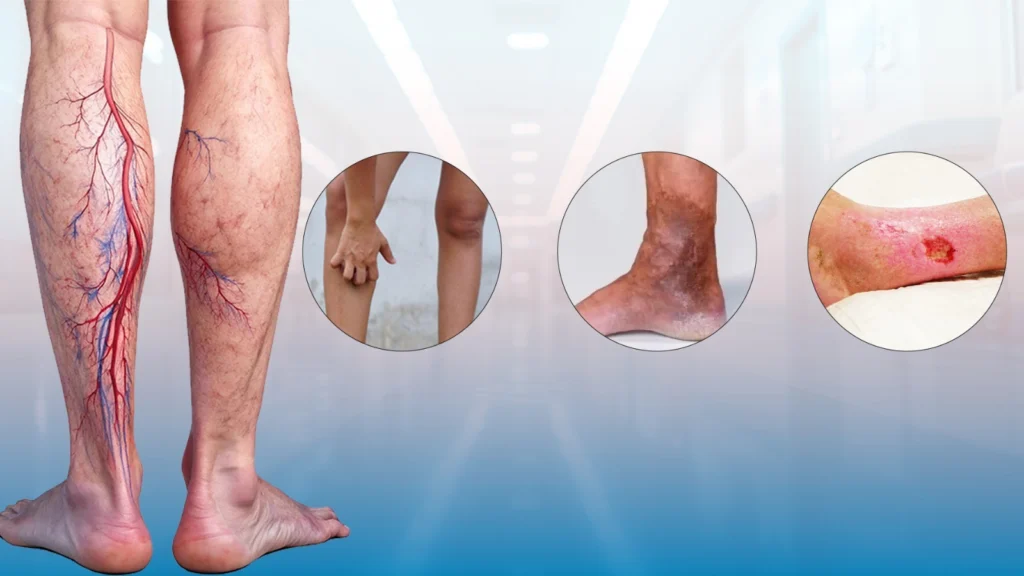
But over time, you might start noticing something different. Your legs may feel heavier at the end of the day. Your ankles may swell. The veins may become larger or more visible. You may experience aching, itching, burning, or nighttime leg cramps.
So, why do varicose veins get worse over time?
In many cases, varicose veins are caused by weakened or damaged valves inside the veins. These valves normally help blood move upward toward the heart. When they don’t work properly, blood can collect in the legs, increasing pressure inside the veins. Over time, this can cause veins to become enlarged and symptoms to become more noticeable.
For Arizona residents who spend long hours standing, sitting, driving, working outdoors, or dealing with the state’s extreme summer temperatures, understanding the signs of worsening vein problems can be especially important.
What Causes Varicose Veins in the First Place?
Your veins have an important job: returning blood from your legs back to your heart.
Because the blood has to travel upward against gravity, your leg veins contain small valves that help keep blood moving in the right direction.
When these valves become weak or stop closing properly, some blood can flow backward and pool in the veins. This condition is commonly associated with chronic venous insufficiency.
The extra pressure can gradually stretch and enlarge the veins, eventually causing the twisted, bulging appearance associated with varicose veins.
This process does not necessarily happen overnight. For many people, it develops gradually.
Why Do Varicose Veins Get Worse With Age?
Getting older does not automatically mean you will develop severe varicose veins. However, age is one of the factors associated with an increased risk.
Over the years, the walls of the veins and their valves can become less effective. Repeated pressure on the veins can contribute to changes in how blood returns from the legs to the heart.
This is one reason a vein that looked relatively minor several years ago may become more noticeable later.
Age is only one factor, though. Family history, pregnancy, weight, prolonged standing, prolonged sitting, and previous vein problems can also influence your risk.
Can Standing or Sitting All Day Make Varicose Veins Worse?
Yes, spending long periods in one position can contribute to venous symptoms.
If your job requires you to stand for hours, your leg veins are constantly working against gravity to return blood to your heart.
On the other hand, sitting for extended periods can also reduce the normal muscle activity that helps move blood through the legs.
This can be particularly relevant for people with desk jobs, drivers, healthcare workers, retail employees, teachers, restaurant workers, and anyone whose daily routine involves staying in one position for long periods.
If your legs frequently feel heavy, swollen, or uncomfortable after a long workday, don’t automatically assume it’s just normal fatigue.
Arizona’s Heat and Your Vein Health
Living in Arizona comes with many advantages, but residents also know how intense the summer heat can become.
People in Phoenix and surrounding communities may spend time outdoors, commute long distances, work in warm environments, or simply deal with very hot temperatures during the summer months.
Heat can contribute to blood vessel dilation and may make swelling or discomfort more noticeable in some people with existing vein problems. This does not mean Arizona’s heat causes varicose veins, but it can make an already uncomfortable leg feel worse.
That’s why paying attention to recurring swelling, heaviness, or leg discomfort is important—especially during the hotter months.
What Are the Signs That Varicose Veins Are Getting Worse?
Varicose veins don’t always cause symptoms. But when they do, you may notice changes over time.
Common symptoms can include:
- Larger or more visible bulging veins
- Aching or throbbing in the legs
- A heavy or tired feeling
- Swelling around the ankles or lower legs
- Burning or itching near affected veins
- Muscle cramps, especially at night
- Skin changes around the lower legs
- Discomfort after standing or sitting for long periods
You may also notice that your symptoms follow a pattern.
For example, your legs may feel relatively comfortable in the morning but become heavier and more uncomfortable by the evening.
That pattern can be a reason to discuss your symptoms with a healthcare professional.
Why Do Varicose Veins Become More Visible?
When blood continues to pool inside veins because the valves aren’t working effectively, pressure inside those veins can increase.
Over time, the veins may stretch and become more prominent beneath the skin.
This is why a small vein you noticed years ago may eventually appear larger, darker, or more twisted.
The appearance of the vein does not always tell you how serious the underlying problem is. Some people have noticeable veins with few symptoms, while others can have significant discomfort even when the visible veins seem less dramatic.
Can Varicose Veins Lead to Other Problems?
Varicose veins are often harmless, but they can sometimes be associated with complications.
Long-term venous problems may contribute to skin changes, inflammation, bleeding, ulcers, or blood clots.
A painful, swollen, warm, or discolored area should not automatically be blamed on ordinary varicose veins.
Sudden leg swelling or significant, unexplained leg pain should receive prompt medical attention, particularly if symptoms develop quickly.
If you are concerned about changes in your legs, a healthcare professional can determine whether your symptoms are related to varicose veins or another condition.
What Can You Do to Help Manage Varicose Vein Symptoms?
You cannot always prevent varicose veins from developing, especially when genetics or other risk factors are involved. However, healthy habits may help support circulation and manage symptoms.
Stay Physically Active
Walking and regular physical activity can help support blood flow through the legs.
You don’t necessarily need an intense workout. Even regular walking can be a practical way to keep your leg muscles active.
Avoid Staying in One Position for Too Long
If you work at a desk, get up and move regularly.
If your job requires standing, change positions and walk when possible.
Small movement breaks can be easier to maintain than trying to completely change your daily routine.
Elevate Your Legs
When resting, elevating your legs may help reduce swelling and discomfort for some people.
Maintain a Healthy Weight
Maintaining a healthy weight can reduce unnecessary pressure on your legs and may support overall vascular health.
Ask About Compression Therapy
Compression stockings may help improve circulation and reduce swelling or discomfort in some people with venous problems.
However, compression is not appropriate for everyone. It’s a good idea to speak with a healthcare professional before choosing compression garments, particularly if you have other circulation problems.
When Should You See a Vein Specialist?
You don’t have to wait until varicose veins become painful or interfere with your daily life before getting them evaluated.
Consider speaking with a qualified vein specialist in Arizona if you experience:
- Persistent leg aching
- Repeated swelling
- Heavy or tired legs
- Increasingly prominent varicose veins
- Skin changes around your ankles
- Recurring nighttime leg cramps
- Burning or itching around your veins
- Symptoms that are gradually getting worse
A healthcare professional may evaluate your medical history, examine your legs, and use imaging such as a venous ultrasound when appropriate to understand how blood is moving through your veins.
What Treatments Are Available for Varicose Veins?
Treatment depends on your symptoms, the veins involved, your overall health, and the underlying cause.
Some people may benefit from lifestyle changes or compression therapy. Others may need a minimally invasive treatment.
Depending on the situation, treatment options may include:
- Sclerotherapy
- Endovenous laser treatment
- Radiofrequency ablation
- Other minimally invasive vein procedures
The right treatment is different for every person. A vein specialist can evaluate your condition and explain which options may be appropriate for you.
Don’t Ignore Changes in Your Legs
Varicose veins often develop slowly, which makes it easy to overlook their progression.
You may tell yourself that your legs are tired because you had a long day. You may blame swelling on the Arizona heat. You may think the veins are simply a cosmetic issue.
Sometimes, they are.
But persistent aching, swelling, heaviness, or changes in your skin deserve attention.
If your varicose veins are becoming more noticeable or your symptoms are interfering with work, exercise, sleep, or everyday activities, consider talking with a qualified healthcare professional.
You don’t have to wait for your vein symptoms to become severe before asking questions.
For Arizona residents in Phoenix, Scottsdale, Mesa, Tempe, Chandler, Glendale, and surrounding communities, getting your symptoms evaluated can be an important first step toward understanding what’s happening in your legs and what treatment options may be available.
Frequently Asked Questions
Do varicose veins always get worse over time?
Not necessarily. Some people have varicose veins that remain relatively stable for years, while others experience increasing symptoms or changes. Risk factors and the underlying condition can influence how the veins progress.
Why are my varicose veins getting bigger?
Varicose veins can become larger when blood continues to pool in the veins because the valves are not working properly. Increased pressure can cause the veins to stretch and become more prominent.
Can walking help varicose veins?
Regular walking activates the muscles in your legs and can support healthy blood flow. It may also help manage some symptoms associated with venous problems.
Can varicose veins disappear on their own?
Established varicose veins generally do not simply disappear without treatment. However, symptoms can sometimes be managed through lifestyle measures and other conservative approaches.
Are varicose veins dangerous?
Most varicose veins are not dangerous, but complications can occur. Persistent symptoms, significant swelling, skin changes, bleeding, or sudden changes should be evaluated by a healthcare professional.
When should I get my varicose veins checked?
If your veins are becoming more noticeable, painful, swollen, itchy, or are affecting your daily activities, consider scheduling an evaluation with a qualified healthcare professional or vein specialist.
Medical Disclaimer: This article is intended for general educational purposes only and is not a substitute for professional medical advice, diagnosis, or treatment. If you have concerning or sudden symptoms, seek appropriate medical care.
Leave a Reply