


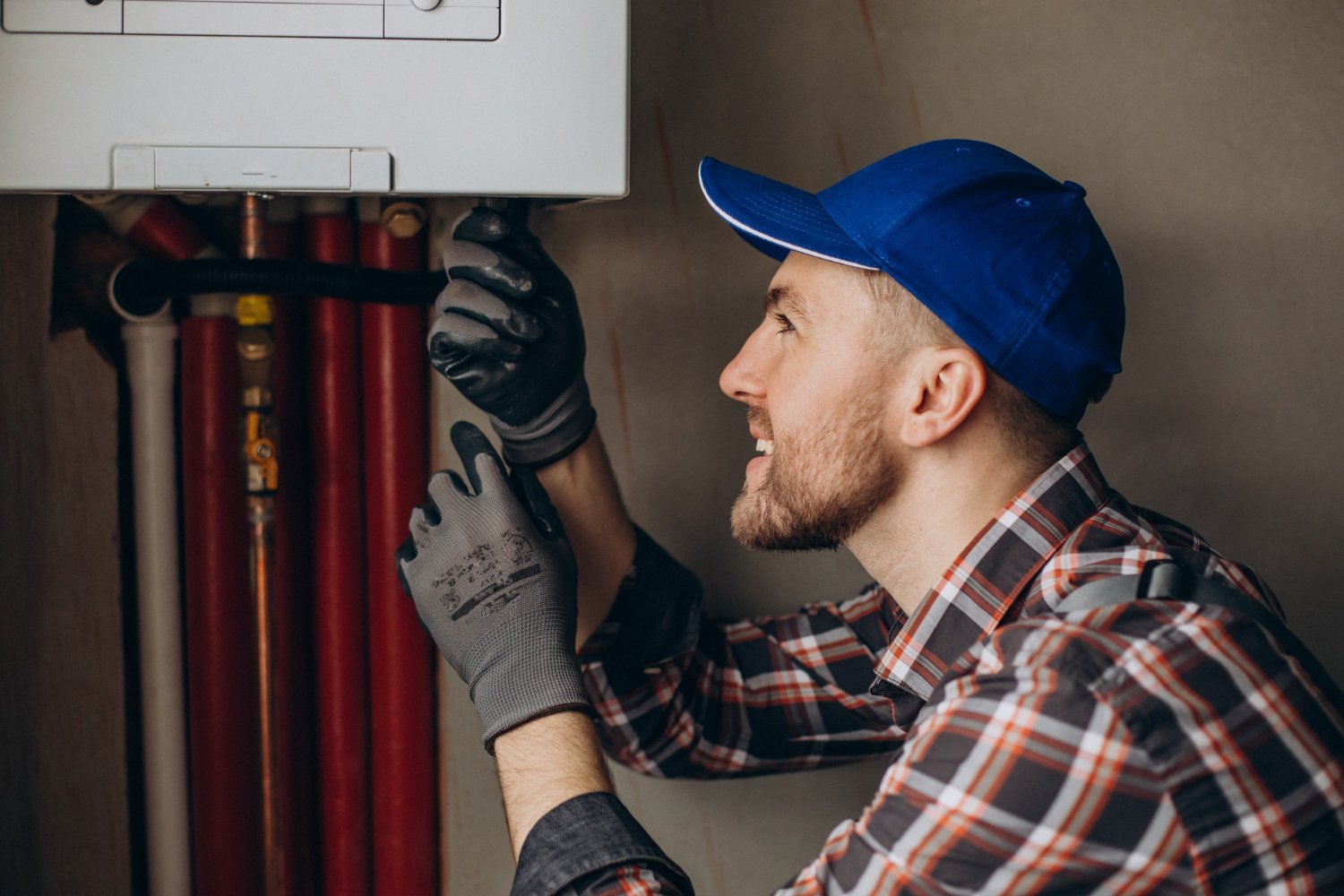
The noises that are made by the water heater comprise of clanking and rattling noises, which may occur due to mineral buildup inside the water heater, loose parts, high pressure, or any trouble in the heating process of the water itself. The noises like popping and bubbling noises come about because of minerals present in the water heater tank.
Why Is My Water Heater Making Noise?
Don’t underestimate the value of a loud water heater. It might be the first sign you get that there’s a problem within your system.
Mineral buildup is the most common source. Hard water deposits build up at the bottom of a tank and form a layer of sediment between the burner and the water.
This can result in trapped water under the layer of sediment. When the burner heats up the water trapped beneath the sediment, it causes popping or rumbling noises.
What Does Each Sound Mean?
Popping sounds usually indicate sediment buildup. The sound happens when trapped water turns into steam beneath mineral deposits and forces its way through the sediment layer.
Rumbling sounds can also point to sediment. If the noise continues during heating, the tank may need professional cleaning or flushing.
Hissing sounds may come from overheating, pressure, or water flow. A technician should inspect the system if the sound continues or comes with leaking water.
Banging or knocking may involve loose pipes. Water moving through the plumbing can make pipes shake against walls, supports, or other components.
Screeching sounds can indicate restricted water flow. A partially closed valve or another plumbing restriction may cause the water to whistle as it moves.
How Does Sediment Cause Noise?
Sediment acts like a blanket at the bottom of the tank. It makes the heating process less efficient and can force the system to work harder.
Over time, that buildup can contribute to higher energy use, longer heating cycles, and damage to the tank or heating components.
Regular water heater maintenance can help remove buildup before it becomes a bigger repair.
Can Water Pressure Cause Water Heater Noise?
Yes, excessive water pressure can contribute to banging, knocking, and other plumbing noises. Rapid changes in water flow can create pressure waves that shake pipes and components.
A professional HVAC or plumbing technician can check the system and determine whether pressure, valves, pipes, or the water heater itself is causing the noise.
When Should You Call a Professional?
Call for water heater repair if the noise becomes loud, happens frequently, or comes with other warning signs.
Watch for leaking water, inconsistent hot water, unusual odors, discolored water, repeated pressure issues, or a water heater that struggles to maintain temperature.
A small noise can be an early warning. Finding the cause early may prevent a larger repair later.
FAQs
Is a noisy water heater dangerous?
A noisy water heater isn’t always dangerous, but persistent sounds can indicate a developing problem. Leaks, overheating, pressure problems, or electrical issues require prompt professional attention.
How do I stop my water heater from popping?
Sediment buildup commonly causes popping. A professional water heater flush can remove accumulated minerals and help the system operate more normally.
Why does my water heater make a knocking sound?
Knocking can come from sediment, loose plumbing, or changes in water pressure. A technician can inspect the system and identify the exact cause.
How often should a water heater be serviced?
Service frequency depends on the water heater type, age, water quality, and manufacturer recommendations. Homes with hard water may benefit from more frequent maintenance.
Should I replace a noisy water heater?
Not always. Some noisy water heaters only need cleaning or repair. If the tank is old, leaking, heavily damaged, or inefficient, replacement may be the better option.
Conclusion
A noisy water heater has a reason for making that sound. Popping and rumbling often point toward sediment, while banging, hissing, and screeching can involve plumbing, pressure, valves, or heating components.
Don’t wait for a small noise to become a major problem. Getting the system checked early can help protect your water heater and keep hot water available when you need it.
Leave a Reply