


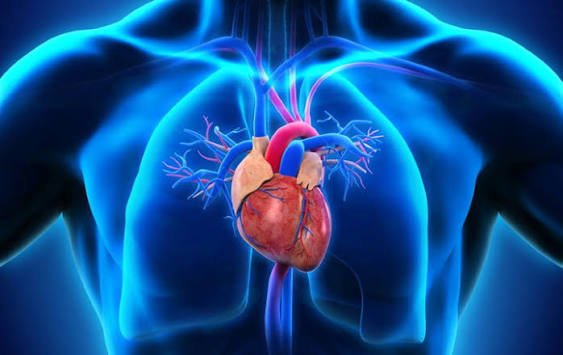
Heart disease does not always come with obvious warning signs. You may feel healthy, stay active, and maintain a busy lifestyle without realizing that certain conditions or habits are increasing your cardiovascular risk. That is why understanding your heart disease risk factors is so important. Heart disease includes a range of conditions affecting the heart and blood vessels. Some risk factors, such as age and family history, cannot be changed.
Others, including high blood pressure, tobacco use, physical inactivity, and unhealthy cholesterol levels, can often be managed. For residents of Phoenix, Mesa, Chandler, Scottsdale, Gilbert, and surrounding Arizona communities, understanding your individual risk can help you take practical steps toward better heart health. You do not need to change everything at once. Start by understanding your risks and discussing them with your healthcare provider.
What Are Heart Disease Risk Factors?
Heart disease risk factors are characteristics, conditions, or behaviors that can increase the likelihood of developing cardiovascular disease. Having a risk factor does not mean that you will definitely develop heart disease. It simply means that your risk may be higher. Some risk factors can be controlled or reduced, while others cannot. Knowing which factors apply to you can help you and your doctor determine appropriate prevention, screening, and treatment strategies.
High Blood Pressure
High blood pressure, or hypertension, is one of the most common risk factors for cardiovascular disease. It often develops without noticeable symptoms, which means you may not know you have it unless your blood pressure is checked. Over time, uncontrolled high blood pressure can place additional strain on the heart and damage blood vessels, increasing the risk of:
● Heart attack
● Stroke
● Heart failure
● Kidney disease
● Arterial damage
What Can You Do?
Start by knowing your blood pressure numbers and discussing them with your doctor. Depending on your situation, treatment may include lifestyle changes, medication, or both. Reducing sodium intake, maintaining a healthy weight, staying physically active, and taking prescribed medications as directed can all play a role. Arizona’s extreme summer temperatures can also contribute to dehydration and place additional stress on the cardiovascular system. If you work or exercise outdoors, talk with your healthcare provider about staying hydrated and managing your medications safely in extreme heat.
High Cholesterol
Cholesterol is necessary for many functions in the body, but abnormal cholesterol levels can contribute to atherosclerosis, a condition in which plaque builds up inside the arteries. Over time, plaque can narrow the arteries and reduce blood flow. If a plaque ruptures and a blood clot forms, blood flow can become blocked, potentially causing a heart attack or stroke. High cholesterol often does not cause noticeable symptoms, making regular screening important.
Your doctor may consider:
● LDL cholesterol
● HDL cholesterol
● Triglycerides
● Total cholesterol
● Age and overall cardiovascular risk
● Family history
What Can You Do?
A heart-healthy eating pattern can help support healthy cholesterol levels. Consider eating more vegetables, fruits, legumes, whole grains, nuts, and lean sources of protein while limiting excessive sodium, added sugars, and unhealthy fats. If medication is recommended, take it as prescribed and discuss any concerns with your healthcare provider. Small, sustainable changes can make a meaningful difference.
Diabetes and High Blood Sugar
Diabetes can increase the risk of cardiovascular disease. Persistently elevated blood sugar can
damage blood vessels and often occurs alongside other cardiovascular risk factors, including
high blood pressure and abnormal cholesterol.
What Can You Do?
If you have diabetes, work with your healthcare provider to manage your blood sugar and monitor other important health measures. Depending on your situation, your doctor may recommend regular monitoring of:
● Blood pressure
● Cholesterol
● Kidney function
● Blood sugar
Taking medications as prescribed, maintaining a healthy eating pattern, and staying physically active can also support cardiovascular health. If you have prediabetes or believe you may be at risk for diabetes, talk with your doctor about appropriate screening and prevention strategies.
Tobacco Use
Tobacco use significantly increases the risk of cardiovascular disease. Smoking can damage blood vessels, raise blood pressure, contribute to plaque buildup, and increase the likelihood of blood clots. Secondhand smoke can also affect cardiovascular health.
Why Quitting Matters
Quitting tobacco can reduce cardiovascular risk and provide benefits for your overall health. If you are trying to quit, talk with your doctor or pharmacist about cessation programs, medications, and other resources that may help. You do not necessarily have to make the process harder by relying on willpower alone.
Physical Inactivity
Regular physical activity supports cardiovascular health, while prolonged inactivity can contribute to several heart disease risk factors, including excess weight, high blood pressure, diabetes, and abnormal cholesterol.
What Can You Do?
Physical activity does not have to mean intense workouts. Walking, swimming, cycling, dancing, household activities, and other forms of movement can help you stay active. If you spend long periods sitting, try taking regular movement breaks throughout the day.
For Arizona residents, extreme summer heat can make outdoor exercise unsafe at certain times of day. Consider indoor options such as an air-conditioned gym, treadmill, or home workout. If you have heart disease or another medical condition, ask your doctor what type and amount of exercise is appropriate for you.
Being Overweight or Obese
Excess body weight can increase the risk of cardiovascular disease and is often associated with other risk factors, such as high blood pressure, diabetes, and abnormal cholesterol.
What Can You Do?
Focus on improving your overall health rather than pursuing rapid weight loss. A balanced diet, regular physical activity, adequate sleep, and guidance from your healthcare provider can help you make sustainable changes. Even small improvements in daily habits can support better cardiovascular health.
Family History and Genetics
You cannot change your genes or family history, but knowing your family history can help you and your doctor better understand your cardiovascular risk.
Ask relatives about a history of:
-
Heart attacks
-
Stroke
-
High blood pressure
-
High cholesterol
-
Heart failure
-
Sudden cardiac death
-
Other cardiovascular conditions
Share this information with your doctor, particularly if heart disease occurred at a younger age in your family. Depending on your history and other risk factors, your doctor may recommend additional evaluation or preventive cardiology care.
Age
The risk of cardiovascular disease generally increases with age. However, heart disease is not exclusively an older person’s condition and can affect people at different stages of life.
What Can You Do?
While you cannot change your age, you can focus on the risk factors you can manage. Regular health assessments become increasingly important as you get older. Your doctor can help determine which screenings and preventive measures are appropriate based on your age, health history, and overall risk.
Stress and Poor Sleep
Busy schedules, work responsibilities, family obligations, and other sources of ongoing stress can affect both physical and emotional well-being. Chronic stress may contribute to unhealthy behaviors and other cardiovascular risk factors. Poor sleep can also affect blood pressure, metabolism, and overall health.
What Can You Do?
Look for realistic ways to manage stress and improve your sleep.
Consider:
-
Maintaining a consistent sleep schedule
-
Staying physically active
-
Making time for hobbies
-
Practicing relaxation techniques
-
Staying connected with friends and family
-
Speaking with a healthcare or mental health professional when stress becomes difficult to manage
If poor sleep or ongoing stress is becoming a regular problem, discuss it with your doctor.
Kidney Disease and Other Medical Conditions
Certain medical conditions can increase cardiovascular risk. Chronic kidney disease is one example and is associated with a higher risk of cardiovascular complications.
Other conditions that may affect cardiovascular risk include:
-
Sleep apnea
-
Inflammatory conditions
-
Autoimmune diseases
-
Existing heart disease
-
Certain pregnancy-related complications
-
Genetic cholesterol conditions
What Can You Do?
Managing existing medical conditions is an important part of protecting your heart. Talk with your healthcare provider about appropriate monitoring, medications, nutrition, physical activity, and other preventive measures.
If you have several cardiovascular risk factors, your doctor may recommend a consultation with a cardiologist.
Other Factors That Can Affect Heart Disease Risk
The 10 risk factors above are important, but cardiovascular risk can be influenced by many other factors, including:
-
Elevated triglycerides
-
Excessive alcohol use
-
Poor diet
-
Certain medications
-
Chronic inflammation
-
Genetic conditions affecting cholesterol
-
Pregnancy-related complications
Your overall risk is determined by a combination of factors rather than a single number or condition.
How Can You Know Your Heart Disease Risk?
A good place to start is with your primary care doctor. During a cardiovascular risk assessment, your provider may review:
-
Age
-
Blood pressure
-
Cholesterol levels
-
Blood sugar
-
Smoking or tobacco history
-
Family history
-
Weight
-
Physical activity
-
Medical history
-
Existing health conditions
Based on this information, your doctor may recommend lifestyle changes, medication, additional testing, or referral to a cardiologist.
Do You Need a Heart Checkup Every Year?
Regular healthcare visits are important, but not everyone needs advanced heart testing every year. Tests such as an EKG, stress test, or echocardiogram are not automatically recommended annually for every healthy person.
The appropriate testing depends on your symptoms, medical history, risk factors, age, and other individual considerations. Talk with your doctor about which screenings are appropriate for you.
What Are the Warning Signs of Heart Disease?
Some cardiovascular conditions can develop without obvious symptoms. However, certain symptoms should never be ignored.
Seek immediate medical attention for symptoms such as:
-
Significant or persistent chest discomfort
-
Severe pressure or pain in the chest
-
Severe shortness of breath
-
Pain or discomfort spreading to the arm, jaw, back, neck, or stomach
-
Fainting, especially with chest discomfort or significant palpitations
If you believe you may be having a heart attack, call 911 immediately. Do not wait for a routine appointment to discuss new or unexplained symptoms.
Simple Heart-Healthy Changes You Can Make
Protecting your heart does not require changing your entire lifestyle overnight. Start with manageable steps.
Know Your Numbers
Keep track of important measurements, such as blood pressure, cholesterol, and blood sugar, when recommended by your healthcare provider.
Choose Heart-Healthy Foods
Build meals around vegetables, fruits, legumes, whole grains, and lean proteins. Limit excessive sodium, added sugars, and unhealthy fats.
Stay Physically Active
Find activities you enjo
Leave a Reply