


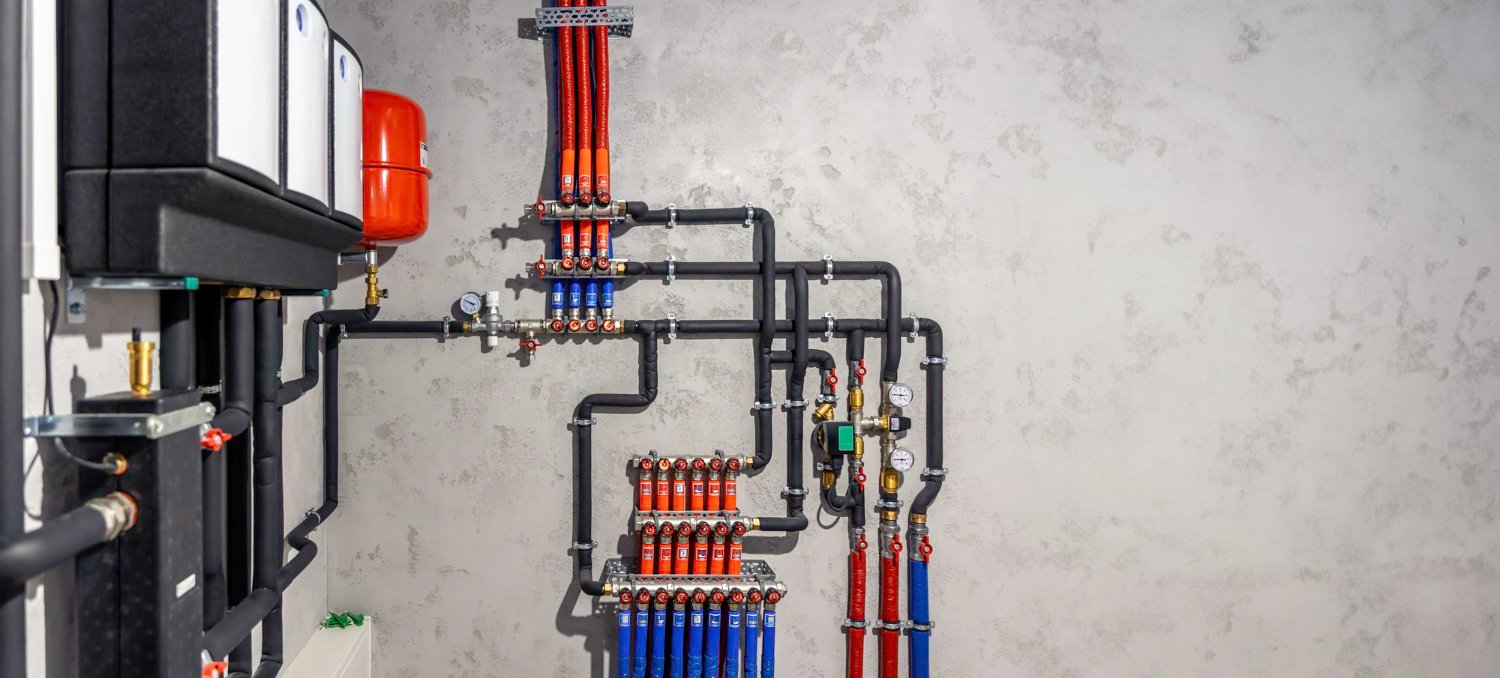
A tank water heater is more appropriate in cases where the homeowner would prefer to have low initial costs and a consistent requirement for hot water in the home. A tankless water heater is the best fit in situations where the homeowner wants improved energy efficiency and endless hot water.
What’s the Difference Between Tank and Tankless Water Heaters?
While the storage water heater keeps the heated water in an insulated tank, the tankless water heater provides the hot water only on demand basis. The two types of water heaters ensure the supply of hot water but they differ in several other aspects.
Imagine the difference between a parked car and a ridesharing service.
A storage heater maintains hot water for you all day long. A tankless water heater kicks into action as soon as you turn on the faucet.
This small difference makes a world of difference in their performance.
How Does a Tank Water Heater Work?
The tank water heater can store up to 30 and 80 gallons of heated water.
Burner or heating element maintains this water until it is required. When the supply of heated water becomes exhausted, the tank requires some time for reheating.
Tank type water heaters are still common due to their low price and simplicity.
These types of heaters are suitable for:
- First-time homeowners
- Smaller budgets
- Homes replacing an existing tank system
- Families with predictable water usage
Like keeping coffee in a thermos, the hot water is ready before anyone asks for it.
How Does a Tankless Water Heater Work?
In a tankless water heater, the water is heated while flowing through the unit.
No water storage tank is present.
Once the hot water valve is opened, powerful heating elements heat the water instantaneously before delivering it to the valve.
The greatest benefit?
There is no likelihood of running out of hot water when there are consecutive showers.
The system also occupies less space owing to its wall mounting.
Which Water Heater Saves More Money?
Tankless water heaters tend to be more economical due to their energy efficiency and lack of need for constant heating. Although the cost of installation may be higher, tankless heaters provide a more economical option overall since energy bills tend to be lower.
The water heater in the tank runs continuously regardless of whether you use any hot water at all.
It is equivalent to running your car idle in the garage.
But on the other hand, if the present plumbing system accommodates the tank, then maybe going for a tank again may make economic sense if you plan to sell the house soon.
Which Option Works Best for Arizona Homes?
Arizona homeowners tend to use hot water all year round, but the climate eases the task compared to colder states.
The ground water is also warmer, meaning that both systems may be more efficient.
Tankless heaters are particularly advantageous when:
- Space is limited
- Energy efficiency matters
- Multiple showers happen throughout the day
- Homeowners plan to stay in the home long-term
Tank systems remain a dependable choice for budget-conscious households.
The best fit comes down to daily habits—not trends.
Signs It’s Time to Replace Your Water Heater
A water heater usually gives warning signs before it fails.
Watch for:
- Rust-colored water
- Water leaking around the unit
- Strange popping or rumbling sounds
- Rising energy bills
- Inconsistent water temperature
- Hot water running out quickly
Waiting too long can turn a simple replacement into an emergency.
FAQs
Which water heater lasts longer?
Tankless water heaters generally last longer than traditional storage tank models. With proper maintenance, they commonly operate for 15 to 20 years, while tank systems usually last between 8 and 12 years.
Is a tankless water heater worth the higher cost?
Yes, for many homeowners. The higher installation cost is often offset by lower energy bills, longer service life, and unlimited hot water. The value depends on household size and long-term plans.
Do tankless water heaters provide instant hot water?
No. They heat water immediately after the tap opens, but water still needs time to travel through the plumbing before reaching the faucet.
Which system needs more maintenance?
Tankless water heaters usually require regular descaling, especially in areas with hard water. Tank systems also need maintenance, including periodic flushing to remove sediment.
Can AC Medics install both types?
Yes. Our technicians install, repair, and replace both traditional tank and tankless water heaters while helping homeowners choose the option that best fits their needs and budget.
Conclusion
Both tank and tankless water heaters have their strengths.
A traditional tank offers lower upfront costs and reliable performance.
A tankless system rewards homeowners with better efficiency, more space, and hot water whenever it’s needed.
The best choice isn’t the newest option.
It’s the one that fits the home’s daily routine, budget, and long-term plans.
Leave a Reply