


Varicose veins are not just a cosmetic issue. For many people they cause leg pain that is constant, swelling, heaviness, tiredness and discomfort that can get in the way of daily life. Fortunately, with recent advances in vascular medicine, treatment is easier and more effective than ever before. New procedures that remove troublesome veins without major surgery are used to treat patients in 2026.
If you are dealing with visible veins, aching legs or symptoms of vein disease, modern minimally invasive vein treatment 2026 options may be able to help. These advanced procedures have a faster recovery time, less discomfort and excellent long term results when compared to traditional surgical procedures.
In this guide, we’ll discuss how minimally invasive vein treatments work, the benefits of these treatments, the most common procedures offered today, and what patients can expect during the recovery process.
What Are Varicose Veins?
Varicose veins are enlarged, twisted veins that often occur on the legs and feet. That’s when the valves in your veins don’t work properly, or get damaged, and can’t push the blood back up to the heart effectively.
If these valves don’t work properly, blood starts to pool within the veins. Over time, the extra pressure causes the veins to become larger, which leads to the bulged and darker appearance of varicose veins.
Varicose veins can occur in adults of any age but age is a common factor.
Causes of Varicose Veins
What Is Minimally Invasive Vein Treatment?
Modern medical procedures that treat diseased veins without the need for extensive surgery are called minimally invasive vein treatment.
Minimally invasive procedures are done with small catheters, specialized injections, laser or medical adhesives to close the damaged veins without the need for larger incisions and long recovery time as with traditional vein stripping procedures.
When a troublesome vein is closed, blood naturally flows to healthier veins, improving circulation and reducing symptoms.
Minimally Invasive Vein Treatment Market by 2026 Benefits
Vein treatment has made huge strides and is constantly evolving to make procedures safer and more comfortable for patients.
- Benefit Advantage
- Low Pain
- Procedures are done under local anesthesia
- Rapid Recovery
Most patients return quickly to daily activities”
- No hospitalization
- Treatments are generally done in-office
- Less Scarring
- Small entry points leave barely visible or invisible scars
- High success rate
Long term results and good symptomatic relief
Better Appearances
Helps reduce the look of veins and boosts confidence
These advantages have made minimally invasive procedures the preferred treatment by both patients and vascular specialists.
Best Minimally Invasive Vein Treatment Options for 2026
1. Endovenous laser ablation (EVLA)
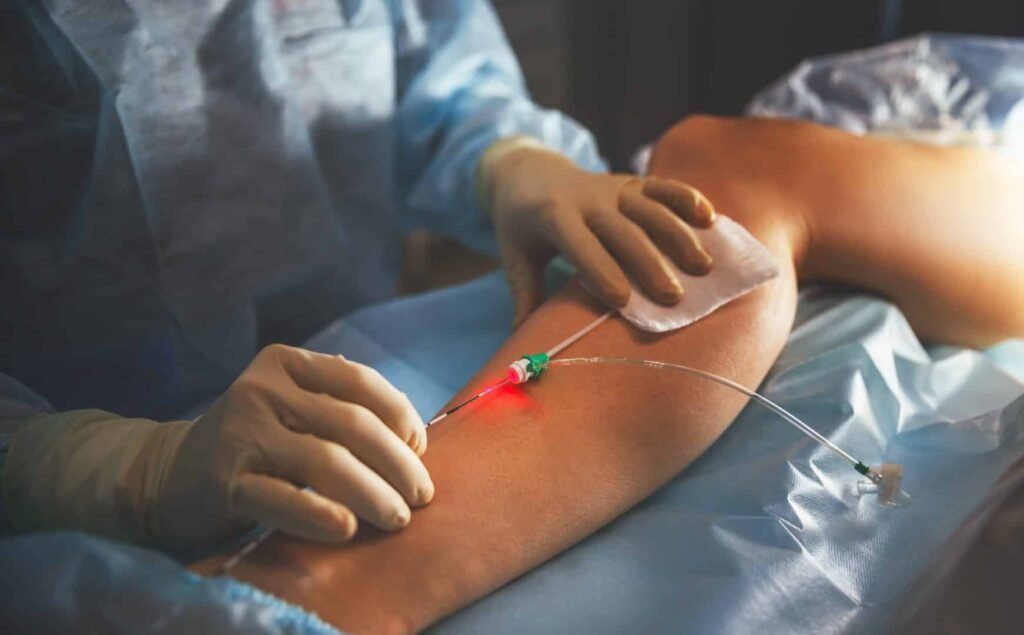
Endovenous laser therapy continues to be one of the most commonly performed varicose vein procedures.
The procedure consists of inserting a thin laser fiber into the affected vein. Subsequently, laser energy is applied to the vein wall causing it to collapse and seal shut.
Advantages of EVLT
Speedy outpatient procedure
Great success rate
Slight discomfort
No big incisions
Short time to recover
Most patients are able to return to work within a day or two of the procedure.
2. Radio-frequency ablation (RFA)
Radiofrequency Ablation uses heat from radiofrequency energy to close off the damaged veins.
The procedure is very effective and is recommended for larger veins which cause pain and circulation problems.
Advantages of RFA
Less pain after the procedure
Impressive long-term results
Little bruising
Quick recovery time
RFA continues to be one of the most trusted vein treatments in 2026 due to its efficacy and patient comfort.
3. Sclerotherapy
Sclerotherapy is often used for smaller veins such as varicose veins and spider veins.
A special solution is injected directly into the affected vein during treatment. The solution irritates the wall of the vein, causing it to collapse and eventually disappear.
Candidates for Sclerotherapy
Patients with small
People with small varicose veins
The cosmetic enhancement seekers
Depending on the severity of the vein condition, several sessions may be recommended.
4. VenaSeal™ Closure System
The VenaSeal Closure System uses a medical adhesive to close diseased veins without the use of heat or extensive injections.
This novel approach has become popular because of its convenience and patient comfort.
VenaSeal Advantages
No heat needed
A little discomfort.
Fast treatment process
Little downtime.
Enduring results
Many patients appreciate that they can resume normal activities almost immediately after treatment.
5. Ambulatory Phlebectomy (Microphlebectomy)
Ambulatory Phlebectomy – Removal of visible varicose veins through tiny punctures in the skin.
This treatment is often combined with other procedures for total vein care.
Benefits include:
Instant removal of bulging veins
Scarring is minimal
Early recovery
Cosmetic results very good
Many patients notice a significant improvement in the appearance of their legs soon after treatment.
Who Might Be a Good Candidate for Vein Treatment?
You may be a good candidate if you have:
Pain or discomfort in the leg
Prolonged swelling
Varicose veins (visible)
Lassitude
Color of skin change
Symptoms of Poor Circulation
Leg cramps at night
Feeling tired when standing.
Typically, your vascular specialist will perform an ultrasound exam to identify the root cause of your symptoms and recommend a treatment plan.
What to Expect at a Vein Consultation?
The first visit usually consists of a thorough assessment.
The Consultation Process
Review of medical history
Symptom talk
Physical examination
Ultrasound scan
Confirm diagnosis
Individualized treatment suggestion
This evaluation will assist in identifying the best treatment course for your specific condition.
Recovery from Minimally Invasive Vein Treatment
One of the biggest benefits of modern vein procedures is the relatively quick recovery time.
Most patients can walk right after treatment and resume light activities that same day.
Recovery Advice
Go for a walk often
Keep hydrated
Wear compression stockings if advised
Limit long periods of sitting
Follow all post-treatment instructions
Keep follow-up appointments
Recovery times vary depending on the procedure, but most people recover quickly and return to their normal activities.
How to Avoid Future Vein Problems
The treated veins are closed off or removed permanently . Over time , new problems can develop in other veins .
Good Habits for Better Vein Health
Go on daily runs
Keep your body weight healthy
Elevate your legs while you rest
Don’t sit or stand for extended periods of time
Drink plenty of water
Follow a healthy diet
Wear compression stockings as directed
By developing these habits, you can help keep your circulation healthy and reduce future vein problems.
Final thoughts
Minimally invasive vein treatment 2026 has revolutionized treatment for varicose veins. No longer do patients have to rely on traditional surgery to get relief from leg pain, swelling and visible veins.
Modern vein treatments like Endovenous Laser Therapy, Radiofrequency Ablation, Sclerotherapy, VenaSeal, and Ambulatory Phlebectomy provide effective results with less discomfort and faster recovery. If you experience symptoms of vein disease, seeing a vascular specialist can help you determine the best plan of care and improve your long-term vascular health.
FAQs Frequently asked questions
1. What is the best minimally invasive vein treatment in 2026?
Depending on the condition of the patient the best options are EVLT, Radiofrequency Ablation and VenaSeal.
2. Are minimally invasive vein procedures safe?
Yup. These procedures are routinely performed and are associated with excellent safety records when performed by trained vascular specialists.
3. What kind of vein treatment procedure is the duration?
Most treatments are 30 to 60 minutes.
4. Is there any downtime with treatment?
Most patients are able to return to normal daily activities within 24 to 48 hours.
5. Will my insurance pay for vein treatment?
Coverage will vary by insurance provider and the medical necessity of the treatment.
6. Do the results last forever?
The treated veins are typically permanently closed or removed. However, new vein problems may arise in the future.
7. Do treatments hurt? Vein
The majority of patients feel little discomfort during and after the procedure.
8. Once varicose veins are treated, can they come back?
The treated vein usually does not return, but other veins may become problematic over time.
9. How quickly will I see results?
Many patients experience symptom improvement within days and cosmetic improvements continue for weeks.
10. When do I need to see a vascular specialist?
You should seek evaluation if you have leg pain, swelling, visible veins, heaviness, or skin changes related to vein disease.
Leave a Reply