


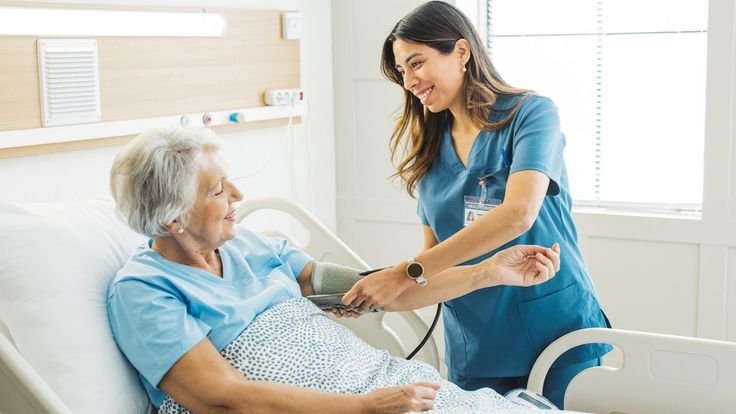
The career college is a type of educational institution that equips individuals with knowledge that helps them acquire jobs in the real world. Students gain practical experience through training and career support, and education related to what is being practiced in the industries and not spending many years learning irrelevant topics.
Today’s Employers Want More Than Good Grades
A Diploma provides opportunity; practical skills sustain this.
Employers are seeking graduates who are prepared to enter an industry confident in their ability to perform. Career colleges provide the transition from education to employment through developing skills rather than academic knowledge.
Instead of wasting valuable time taking irrelevant courses, time is spent on developing skills for future application in one’s job.
Learn Skills Employers Actually Need
Career colleges base their curricula on the needs of the present-day industry.
There is no question among the students as to whether any particular class will be useful for their future careers or not.
The courses taught in healthcare colleges include:
- Medical terminology
- Patient communication
- Medical billing and coding
- Clinical procedures
- Administrative skills
- Professional ethics
This targeted approach helps graduates feel prepared from day one.
Hands-On Training Makes Learning Stick
Learning about a technique does not equal mastering it.
The career colleges immerse their students in the learning process by placing them in an environment that imitates actual work.
Through practice, regardless of whether the student learns administrative skills, patient care skills, or medical documentation, one learns how to do it faster and more accurately.
This is just like learning how to drive.
It is important to learn from the driver’s manual, but the learning process only starts when one gets into the driver’s seat.
Smaller Classes Create More Personal Learning
Large lecture halls don’t suit everybody.
In smaller classrooms, lecturers have the opportunity to engage in one-on-one interaction with each student. Queries are solved promptly, giving personalized feedback, and there is always a feeling of comfort among students to ask questions.
This personalized interaction can have a huge impact on learning especially when dealing with technical skills in healthcare.
At Accelerated Pathways Career College (APCC), smaller classes allow for practical training and build confidence.
Career Services Continue Beyond Graduation
Graduation isn’t the finish line.
Many career colleges continue supporting students after they complete their programs through career services.
Support may include:
- Resume assistance
- Interview preparation
- Job search guidance
- Professional development
- Employment resources
These services help graduates present themselves professionally when applying for positions.
It’s like having a coach standing beside you before the biggest game.
Flexible Learning Helps Busy Students
Education does not wait for anyone.
Most of the students juggle jobs, family duties, or other engagements while pursuing additional certifications.
Career colleges give flexible timing and short courses to make the process of education easy for all.
Students can concentrate on achieving their professional objectives without pausing anything else.
Healthcare Careers Continue to Grow
The healthcare sector continues to be among the biggest employers in the nation.
With the need for medical care growing in the communities, the need for healthcare professionals is growing in clinics, hospitals, doctor’s offices, and specialized facilities.
Courses in medical assisting, medical billing and coding, and others allied with healthcare help in this process.
Choosing the Right Career College
Not every school offers the same experience.
When comparing career colleges, students should look for:
- Experienced instructors
- Hands-on training
- Small class sizes
- Career services
- Flexible scheduling
- Industry-focused curriculum
- Positive student reviews
These factors often have a direct impact on both learning and future employment opportunities.
Choosing a college is like choosing the foundation for a house. A stronger foundation supports everything built on top of it.
Expert Insights
Education is most effective when it imitates the environment where the students will find themselves once they have graduated from school.
Work-related education reduces the difference between education and work since it includes more practical experience, professional behavior, and skills required by the employer. It is common that such schools give their students confidence when entering the workforce.
Statistics
- The U.S. healthcare industry continues to employ millions of professionals across clinical and administrative roles.
- Medical Assistants are projected to experience faster-than-average employment growth over the coming decade.
- Medical Records Specialists continue to see steady demand as healthcare organizations expand digital recordkeeping.
- Career-focused education programs can often be completed in less than one year, allowing graduates to enter the workforce sooner.
FAQs
What makes a career college different from a traditional college?
Career colleges focus on practical, career-specific education that prepares students for employment in a particular field, often through shorter, skills-based programs.
Are career colleges good for healthcare careers?
Yes. Many healthcare career colleges provide practical training, experienced instructors, and career services designed to prepare students for entry-level healthcare positions.
How long do career college programs usually take?
Many programs can be completed in less than a year, although program length depends on the chosen field of study.
Do career colleges offer career support?
Many schools provide resume assistance, interview coaching, and employment resources to help graduates begin their careers.
Is hands-on training important?
Yes. Practical experience helps students apply classroom knowledge, build confidence, and prepare for workplace responsibilities.
Conclusion
The selection of the appropriate education could determine an individual’s career path in the future.
Career colleges assist their students in transcending theoretical study and gaining practical knowledge and experience through hands-on learning that enables them to develop careers in dynamic fields such as healthcare. With smaller class sizes, flexible programs, and continued career guidance, career colleges provide the necessary training for a student to start off in their career.
This type of education is ideal for students who want to join the workforce sooner.
Call to Action
Ready to build a career that makes a difference?
Explore the healthcare training programs at Accelerated Pathways Career College and learn how hands-on education, experienced instructors, and career-focused support can help you prepare for today’s workforce. Contact APCC today to schedule a campus visit or speak with an admissions advisor about the program that’s right for you.
Leave a Reply