


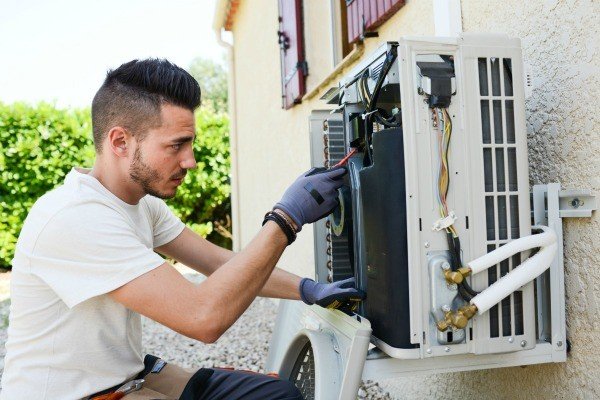
Your AC is running non-stop. But you’re sweating in your own home. This is both an annoying and costly problem, indicating that there must be a serious issue with your cooling system.
Let’s pinpoint precisely what’s causing your air conditioner to run in circles without providing any cooling effect.
Why Is the AC Running Constantly Without Cooling?
AC units continue to function without producing cold air due to lack of airflow, lack of refrigerant, or old compressors. This makes your unit put in extra effort to lower temperatures. If any of your parts fails or becomes blocked, then your cooling process is disrupted, making you pay very high electricity bills.
Clogged Air Filters Are Suffocating Your System
Think of your air filter as the lungs of your HVAC system. When it’s caked in dust, air cannot move.
- The Fix: Check your filter monthly and swap it out every 60 to 90 days.
- The Result: Free-flowing air instantly lowers system strain.
Filthy Condenser Coils Block Heat Transfer
The outdoor unit rejects the collected heat from within the house. In case dust, grass cuttings, or mud covers the coils outside, the heat will be retained in the house. This is similar to putting on a heavy coat in the middle of summer.
- Ensure that you have at least a two-foot clearance for the outdoor unit.
- Use a hose to clean the coils in the spring season.
What Temp Should I Set My AC If It’s Not Cooling?
The recommended temperature for AC is 78 degrees Fahrenheit (26 degrees Celsius) or you may even switch off the AC as it won’t help to cool faster by lowering the thermostat. In fact, it may result in overheating of the compressor or freezing of the indoor coils.
The Myth of the Thermostat Accelerator
Homeowners assume that setting the thermostat at 60°F is akin to pressing down on a gas pedal. It is not, because the AC unit blows air at a constant pace no matter what the desired temperature.
Protect Your Wallet and Equipment
Operating a faulty AC all the time means burning a hole in your pocket.
- Data Integration Opportunity: * What to include: A small statistical callout box showing average cost increases.
- Example: “Fact: A constantly running AC can spike monthly electricity bills by 20% to 35%, while a replaced compressor can cost upwards of $2,000.”
Could a Refrigerant Leak Be the Core Problem?
Yes, a refrigerant leak is a primary cause for a warm, constantly running AC. Refrigerant is the lifeblood that absorbs your home’s heat. When levels drop due to a puncture or hairline crack, the system cannot chemically cool the air, leading to endless operational cycles.
[Low Refrigerant] ➔ [Reduced Heat Absorption] ➔ [Ice Forms on Coils] ➔ [Zero Cooling / Endless Running]
Spotting the Signs of a Leak
You cannot simply top off refrigerant like engine oil. It operates in a sealed loop.
- Listen for hissing or bubbling sounds near the refrigerant lines.
- Watch for ice buildup on the indoor evaporator coil or the outdoor brass valves.
Multimedia Suggestion: Include an interactive infographic diagram illustrating the closed-loop refrigeration cycle, highlighting where leaks typically occur and how ice forms on the evaporator coil.
Is Your Air Conditioner Simply Too Old?
An air conditioner becomes inefficient and runs constantly once it surpasses 10 to 15 years of age. Over time, mechanical wear reduces the compressor’s pumping power. This structural decline means the system must run twice as long to achieve the same cooling results as a newer unit.
The Lifespan Reality Check
Nothing lasts forever, and your cooling system is no exception.
- Older units use outdated refrigerants that are costly to replace.
- Metal fatigue eventually kills overall operational efficiency.
Sizing Up Your Space
Sometimes the issue isn’t age, but size. An undersized unit will fight a losing battle against summer heat, running perpetually without ever reaching your thermostat’s goal.
Quick Troubleshooting Checklist
Before calling in the professionals, run through these quick steps to rule out simple fixes:
- Verify Thermostat Settings: Ensure it’s set to “Cool” and the fan is on “Auto,” not “On.”
- Inspect the Breaker Box: Check if the outdoor unit circuit breaker has tripped.
- Examine Supply Vents: Make sure furniture or curtains aren’t blocking your home’s air registers.
If your filters are clean and the vents are open, but the house remains hot, it’s time to call an HVAC technician. Handling refrigerant or electrical components requires specialized tools and certified expertise
Leave a Reply