


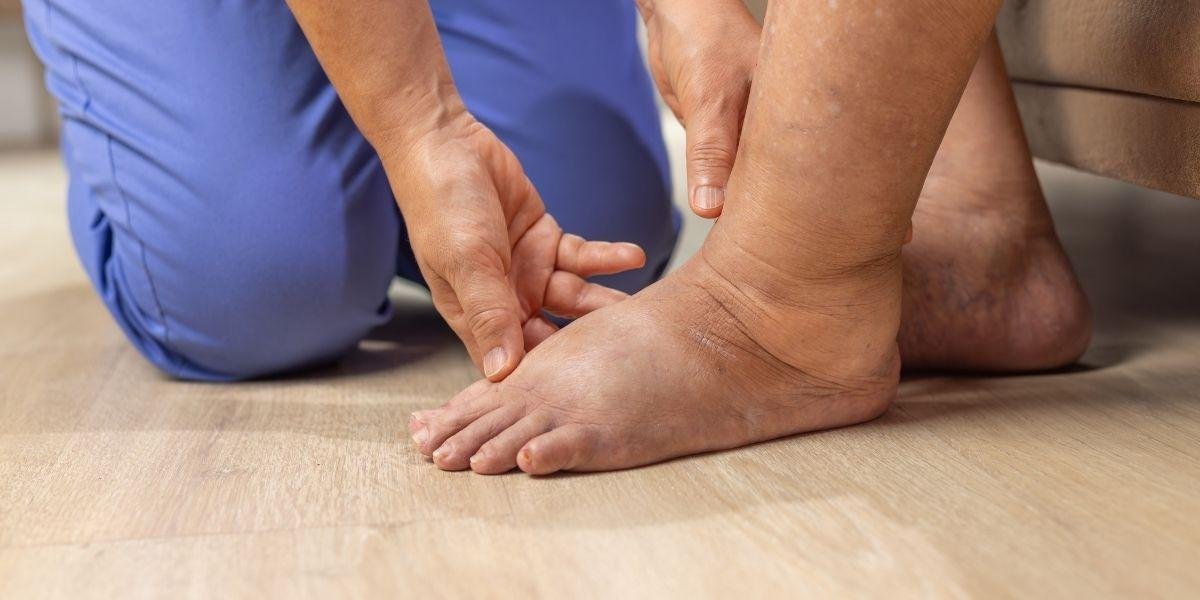
People living with diabetes need to be more aware of their health, especially with regards to wound management. A cut, blister or scrape might seem minor but if left untreated could turn into a major health problem. If you live in Arizona, seeking professional Diabetic Wound Care Phoenix services may make the difference between avoiding complications and promoting faster healing.
Diabetes damages the nerves and decreases blood circulation, reducing the body’s ability to heal. This leads to wounds going unnoticed and untreated for longer periods. Learning about the care of diabetic wounds is very important for overall health and to avoid drastic consequences in the long run.
Understanding Diabetic Wounds
A diabetic wound is a wound occurring in a person with diabetes that takes longer than normal to heal. Wounds most often appear on the feet and lower legs because of poor circulation and diabetic neuropathy (nerve damage).
High blood sugar levels slow down the natural healing process of the body and it becomes easier for bacteria to enter the wound and cause infections. If not properly treated, diabetic wounds can result in ulcers, infections and in severe cases, amputations.
Why Diabetic Wound Care Matters
Professional Diabetic Wound Care Phoenix services are designed to prevent infections, speed healing and reduce the risk of complications. Early intervention in many cases can prevent minor wounds from becoming major medical issues.
Benefits of proper diabetic wound care include:
- Faster healing times
- Reduced infection risk
- Improved circulation management
- Prevention of diabetic foot ulcers
- Lower risk of hospitalization
- Better overall quality of life
7 Essential Tips for Better Healing
1. Check Your Feet Every Day
One of the most important habits for people with diabetes is to check their feet every day.
Search for:
- Reductions
- Blistering Swelling Redness
- Lines and cracks in the skin
- Changes in skin colour
Diabetics often have reduced sensation in their feet, so they may not feel an injury immediately.
2. Keep Blood Sugar Levels Under Control
Maintaining healthy blood sugar levels plays a crucial role in wound healing.
High glucose levels can:
- Slow tissue repair
- Increase inflammation
- Weaken the immune system
- Increase infection risk
Following your healthcare provider’s recommendations for diabetes management can significantly improve healing outcomes.
3. Clean Wounds Properly
Proper wound cleaning helps remove bacteria and debris that may cause infection.
To clean a wound:
- Wash your hands thoroughly.
- Rinse the wound gently with clean water.
- Use mild soap around the area.
- Pat dry with a clean towel.
- Apply a sterile dressing if recommended.
Avoid using harsh chemicals unless specifically instructed by a healthcare professional.
4. Keep Wounds Covered
Contrary to popular belief, wounds often heal faster in a protected and properly moist environment.
Benefits of wound dressings include:
- Protection from bacteria
- Reduced irritation
- Improved healing conditions
- Lower infection risk
Advanced wound dressings may also help accelerate recovery for chronic wounds.
5. Wear Proper Footwear
Foot injuries are among the leading causes of diabetic wounds.
Choose shoes that:
- Fit comfortably
- Provide adequate support
- Reduce pressure points
- Prevent friction
Avoid walking barefoot, even indoors, as minor injuries can quickly develop into serious complications.
6. Watch for Signs of Infection
Recognizing infection early can prevent a minor wound from becoming a major medical issue.
Common warning signs include:
- Redness
- Swelling
- Warmth around the wound
- Increased pain
- Pus or drainage
- Unpleasant odor
- Fever
If you notice any of these symptoms, seek medical attention immediately.
7. Seek Professional Diabetic Wound Care Early
One of the biggest mistakes diabetic patients make is waiting too long before seeking treatment.
Professional wound care specialists can provide:
- Advanced wound assessment
- Debridement when necessary
- Infection management
- Specialized dressings
- Customized treatment plans
Early treatment often results in faster healing and fewer complications.
Common Types of Diabetic Wounds
| Wound Type | Primary Cause | Potential Risk |
| Diabetic Foot Ulcers | Pressure and poor circulation | Infection and tissue damage |
| Blisters | Friction from footwear | Open wounds and infection |
| Cuts and Scrapes | Everyday injuries | Delayed healing |
| Pressure Sores | Prolonged pressure | Deep tissue damage |
| Surgical Wounds | Post-surgical complications | Slow recovery and infection |
How Professional Diabetic Wound Care Helps
Specialized wound care clinics use advanced techniques designed specifically for patients with diabetes.
Treatment options may include:
Advanced Dressings
Modern wound dressings help maintain the ideal healing environment.
Debridement
Removal of dead or infected tissue encourages healthy tissue growth.
Infection Control
Targeted treatments help eliminate bacteria and reduce complications.
Offloading Techniques
Special footwear and devices reduce pressure on wounds, especially foot ulcers.
Ongoing Monitoring
Regular evaluations ensure the wound is progressing toward recovery.
When Should You See a Wound Care Specialist?
You should seek professional wound care if:
- The wound has not improved within one to two weeks.
- The wound is becoming larger.
- There are signs of infection.
- You have recurring foot ulcers.
- You experience severe pain or swelling.
- The wound produces drainage or odor.
Prompt treatment can prevent complications and improve healing outcomes.
Frequently Asked Questions (FAQs)
1. What is diabetic wound care?
Diabetic wound care involves specialized treatment and management of wounds in people with diabetes to promote healing and prevent infections and other complications.
2. Why do diabetic wounds heal more slowly?
Diabetes can damage blood vessels and nerves, reducing circulation and slowing the body’s natural healing process.
3. What are the most common diabetic wounds?
Diabetic foot ulcers, blisters, cuts, pressure sores, and surgical wounds are among the most common wounds seen in diabetic patients.
4. How can I prevent diabetic foot ulcers?
Regular foot inspections, proper footwear, good blood sugar control, and routine medical checkups can significantly reduce the risk.
5. What are the signs of an infected diabetic wound?
Common signs include redness, swelling, warmth, pain, drainage, odor, and fever.
6. Can diabetic wounds heal without professional treatment?
Some minor wounds may heal with proper home care, but wounds that do not improve quickly should be evaluated by a healthcare professional.
7. What treatments are available for diabetic wound care?
Treatment options may include wound cleaning, advanced dressings, debridement, infection control, and pressure-relief therapies.
8. Where can I get professional Diabetic Wound Care in Phoenix?
Patients can seek specialized wound care services in Phoenix from experienced wound care professionals who provide personalized treatment plans for diabetic wounds.
Conclusion
Receiving proper Diabetic Wound Care services in Phoenix is crucial to prevent infections, reduce complications, and encourage faster healing. “People with diabetes have special challenges in wound healing, so early intervention and professional care are very important.”
By monitoring wounds closely, maintaining healthy blood sugar levels, and getting special care when it is needed, people stay healthy and enhance their quality of living. Don’t delay! If a wound isn’t healing like you think it should, early treatment is often the key to successful recovery and long-term wellness.
Leave a Reply