


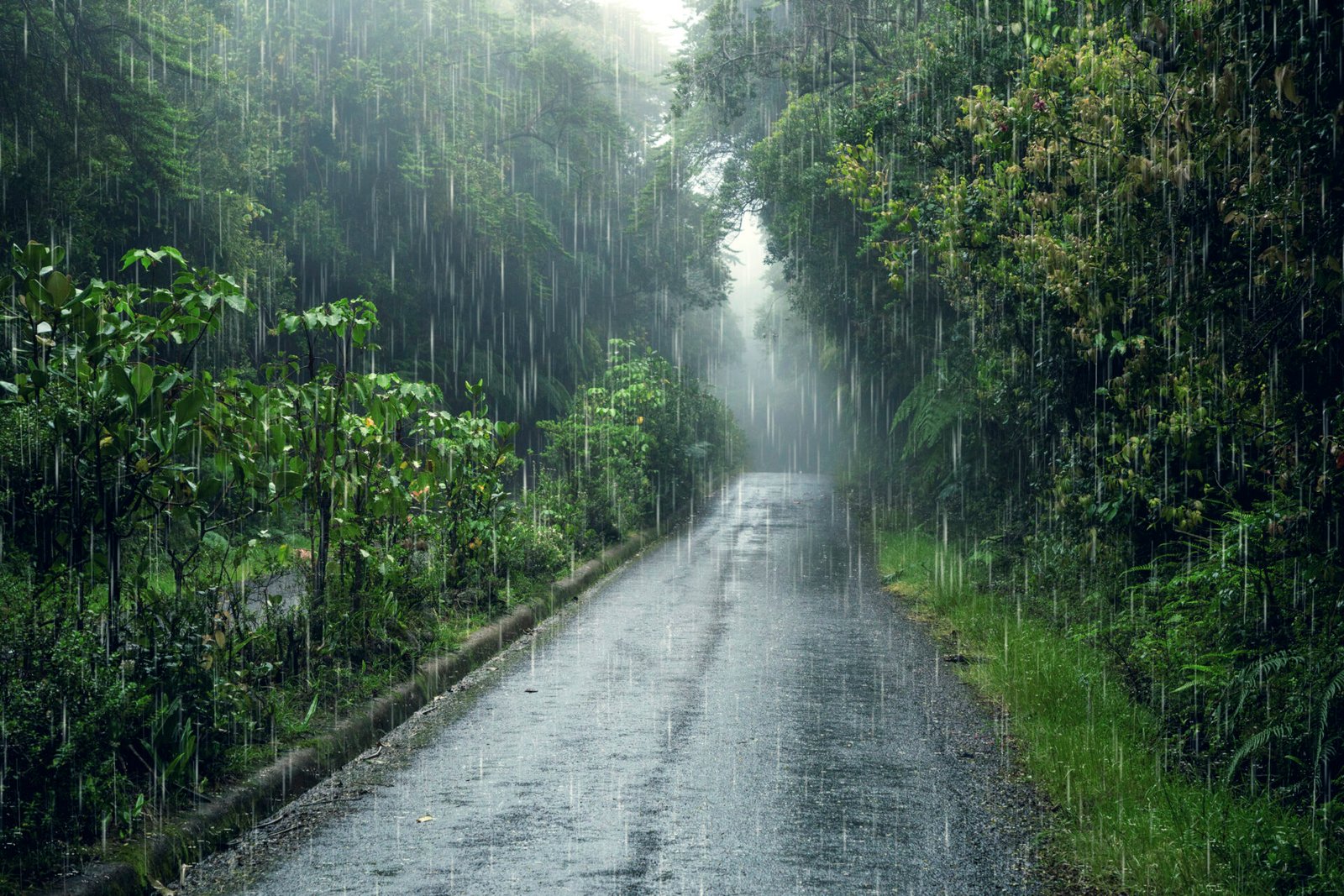
Heavy rain in Phoenix doesn’t last forever. The damage it leaves behind can. Monsoon season pushes HVAC systems hard with dust storms, humidity spikes, clogged drains, and sudden power cuts. A neglected AC unit during monsoon weather is like driving through a sandstorm with bald tires trouble shows up fast.
Phoenix homeowners rely on air conditioning almost year-round. That’s why monsoon prep matters. Small HVAC problems can turn into costly repairs when moisture, dirt, and heat collide.
Why Does Monsoon Season Affect HVAC Systems?
Monsoon weather puts extra pressure on HVAC systems through moisture, dust buildup, power surges, and restricted airflow. These conditions can lower cooling performance, raise energy bills, and shorten equipment life. Regular maintenance before and during monsoon season helps Phoenix homeowners avoid breakdowns and keep indoor comfort steady.
Phoenix monsoons bring more than rain. Dust storms clog filters. Humidity strains cooling systems. Sudden electrical outages can damage HVAC components.
An AC unit works like a marathon runner in Phoenix heat. Add monsoon debris and moisture, and it starts running uphill.
Without seasonal maintenance, small issues snowball fast.
Change Air Filters Before Dust Storms Hit
Dust storms are common during Arizona monsoon season. Dirty filters choke airflow and force the system to work harder.
Replace HVAC filters every 30 to 60 days during monsoon months. Homes with pets or heavy dust exposure may need faster replacements.
A clean filter helps:
- Improve airflow
- Reduce indoor dust
- Lower cooling strain
- Support cleaner indoor air
Check The Outdoor AC Unit
The outdoor condenser unit should stay clear of dirt, leaves, branches, and storm debris during monsoon season. Blocked airflow forces the system to run longer, increases cooling costs, and raises the risk of overheating or compressor damage. Regular visual checks help prevent avoidable HVAC repairs.
Monsoon winds throw debris everywhere. Branches, trash, and dirt often pile around outdoor units.
Keep at least two feet of open space around the condenser. Hose off visible dirt gently if buildup appears.
Think of the condenser like a car radiator. Once airflow gets blocked, performance drops quickly.
Protect HVAC Systems From Power Surges
Lightning and sudden outages can fry HVAC electronics in seconds.
A surge protector acts like a shield for expensive HVAC parts. It helps guard thermostats, control boards, and compressors from electrical spikes.
Phoenix homeowners often overlook this step until damage happens. By then, repair costs hit hard.
Clear The Condensate Drain Line
Monsoon humidity creates extra moisture inside HVAC systems. That moisture exits through the condensate drain line.
When the line clogs, water backs up fast. This can lead to ceiling stains, mold growth, or water damage near the indoor unit.
A clogged drain line is like a blocked kitchen sink. Water always finds somewhere else to go.
Homeowners should schedule seasonal HVAC maintenance to inspect and clear the line safely.
Schedule Preventive HVAC Maintenance
Professional HVAC maintenance before or during monsoon season helps spot worn parts, airflow problems, refrigerant issues, and drainage concerns early. Routine inspections reduce breakdown risks, improve cooling performance, and help HVAC systems handle Phoenix heat and storm conditions more efficiently.
Routine maintenance keeps systems dependable during extreme weather.
Professional HVAC technicians check:
- Refrigerant levels
- Electrical connections
- Drain lines
- Thermostat performance
- Coil condition
- Airflow efficiency
Skipping maintenance often costs more later. It’s like ignoring an oil change and hoping the engine survives summer road trips.
Watch For Warning Signs After Storms
Monsoon weather can leave hidden HVAC problems behind.
Watch for:
- Weak airflow
- Strange smells
- Warm air from vents
- Unusual noises
- Water leaks near the unit
- Sudden spikes in energy bills
Small warning signs rarely stay small.
Fast repairs help prevent larger system failures during peak summer temperatures.
Improve Indoor Air Quality During Monsoon Season
Dust and moisture can affect indoor comfort fast.
Phoenix homeowners should consider:
- High-efficiency air filters
- UV air purification systems
- Duct inspections
- Humidity control solutions
Indoor air quality matters more during monsoon months because homes stay sealed tightly while AC systems run nonstop.
Why Phoenix Homeowners Trust AC Medics
Phoenix summers don’t play fair. HVAC systems need reliable care from experienced technicians who understand Arizona weather conditions.
At AC Medics, the team provides:
- AC repair in Phoenix
- HVAC maintenance
- AC installation
- Heating repair
- Indoor air quality services
- Plumbing solutions
The goal stays simple, fast service, honest pricing, and dependable comfort.
Whether it’s a clogged drain line after a storm or emergency AC repair during a heat wave, AC Medics helps homeowners stay prepared when monsoon season rolls in.
Final Thoughts
Monsoon season can hit HVAC systems hard in Phoenix. Dust, moisture, debris, and electrical problems all add pressure during the hottest months of the year.
Seasonal maintenance helps prevent expensive surprises. A little preparation now can save major repair costs later.
When the skies darken and the wind picks up, homeowners should know their HVAC system is ready for the storm.
Leave a Reply