


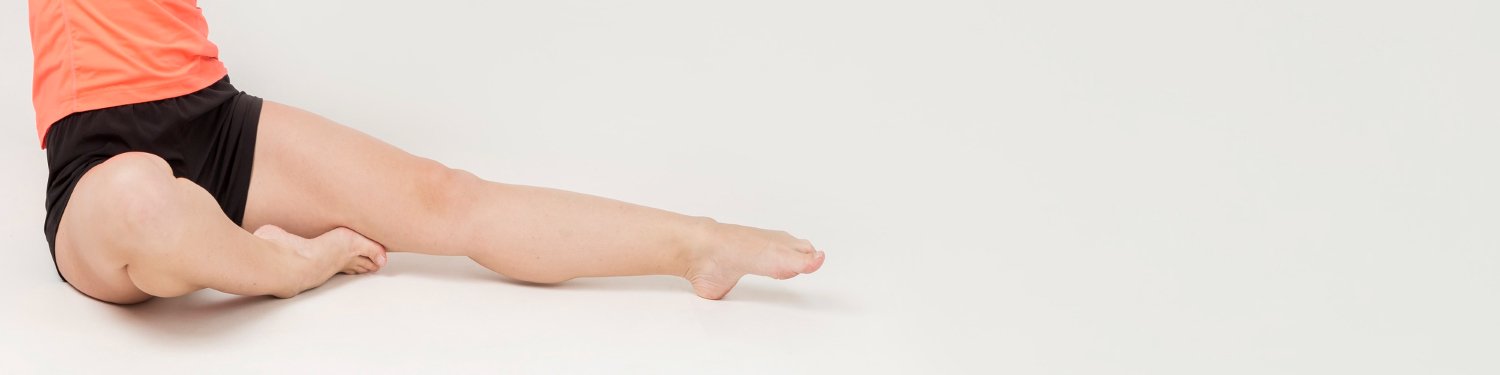
Swelling of the leg often occurs due to the accumulation of fluid in the body, although the reasons may be many including sitting for prolonged periods of time, standing for a long time, poor functioning of veins, trauma to the leg, drug effects, or even a blood clot.
What causes swollen legs?
Leg swelling can occur due to a number of factors, including water retention, standing or sitting for long periods of time, physical trauma, medication, varicose veins, poor venous circulation, kidney-related problems, heart conditions, or blood clots. The cause of leg swelling varies from one individual to another.
Sometimes, it can even be extremely easy. Being stuck in either a seated position or an upright one throughout the day can result in fluid buildup in the ankles.
Too much consumption of salt is another reason for fluid retention. Swelling can also be as a result of injuries, drugs, and pregnancy among other reasons.
Can vein problems cause leg swelling?
The answer is yes, because vein issues can lead to constant swelling of the legs since the blood fails to circulate effectively in the body. There is a condition known as chronic venous insufficiency where there is pooling of blood in the legs, thus causing swelling among other symptoms.
Leg veins should be thought of as one-way streets. The valves inside the veins ensure that blood flows upward.
In cases where these valves are not functioning correctly, the blood will start to pool in the leg region. This leads to varicose veins, heavy legs, itching, pain, and swelling of the ankles.
When should you seek medical care?
Medical attention should be sought whenever you have sudden, severe, or painful leg swelling. You should also consult a doctor if your leg is swollen without any reason and especially when it involves one leg and there is possibility of a blood clot.
Deep Vein Thrombosis causes swelling, pain, heat sensation, and change in color of the skin. Rapid diagnosis is important because the blood clot may move to the lungs and result in a pulmonary embolism.
In case of chest pain, difficulty breathing, feeling faint, or coughing blood, get immediate medical attention.
What do swollen legs have to do with venous disease?
Persistent swelling may be a sign that your veins need attention. Venous disease can also cause aching, itching, redness, varicose veins, skin discoloration, and ulcers.
At Laser Vascular Center, our vascular team evaluates conditions such as varicose veins, venous insufficiency, DVT, lymphedema, peripheral artery disease, and wound problems.
How are swollen legs evaluated?
A vascular evaluation may include a physical examination and medical history. When a vein problem is suspected, a Doppler ultrasound can help examine blood flow and identify problems inside the veins.
The evaluation matters because swelling alone doesn’t tell the whole story. Finding the cause helps determine the right treatment.
What can help mild leg swelling?
For mild swelling, movement can help. Walking encourages the calf muscles to support blood flow through the leg veins.
Elevating your legs can also reduce pressure and swelling. Avoid sitting or standing in one position for long periods.
Don’t ignore swelling that keeps returning. Your legs may be telling you something needs checking.
FAQs
Why are my ankles swollen at night?
Swelling may increase later in the day because standing or sitting allows fluid to collect in the lower legs. Venous insufficiency can also make swelling worse after prolonged standing.
Can varicose veins cause swollen ankles?
Yes. Varicose veins can occur alongside venous insufficiency, which may cause swelling, aching, heaviness, and skin changes.
Is swelling in one leg serious?
It can be. Sudden swelling in one leg, particularly with pain, warmth, redness, or tenderness, should be medically evaluated because DVT is one possible cause.
Can leg swelling go away on its own?
Mild swelling from sitting, standing, or other temporary causes may improve with movement and leg elevation. Persistent or unexplained swelling should be checked by a healthcare professional.
Conclusion
Swollen legs aren’t always a sign of a serious problem. But recurring swelling, especially with varicose veins, pain, skin changes, or ulcers, deserves attention.
Early evaluation can help identify whether the problem involves your veins, circulation, or another health condition.
Leave a Reply