


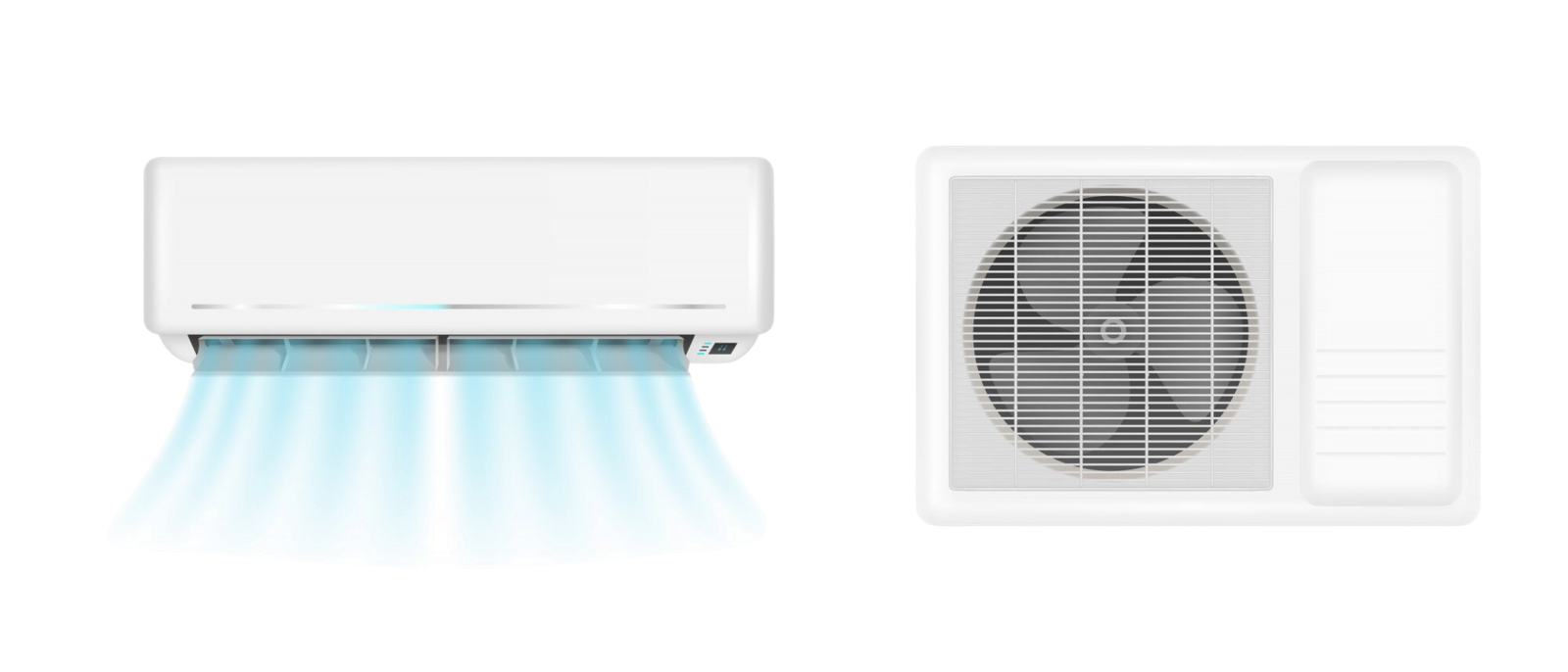
Arizona home owners should not take lightly weak flow of air, hot air, unusual sounds, excessive cycling, water leakage, strange odors, increased energy bills, malfunctioning thermostats, ineffective humidity management, or recurring malfunctions. These symptoms could indicate that the cause lies in dirty filters, electrical problems, refrigerants, improper drainage, or old systems that require AC repairs.
1. Why Is My AC Blowing Warm Air?
Warmer Air from the AC could be caused by a clogged filter, electric issue, refrigerant issue, frozen coil, or compressor. The climate in Arizona during summer is very warm; therefore, there is the need to identify the cause of the problem as quickly as possible.
Start by checking the thermostat and air filter. If the system still blows warm air, professional AC repair in Arizona can identify the actual cause.
2. Why Is Airflow Weak?
Airflow is weak because of the air filter being plugged, air duct problems, bad blower motor, or return vents being plugged. This is hard on your furnace, making your rooms feel colder than what your thermostat should be reading.
A clean filter can help. Persistent airflow problems may require HVAC repair or duct inspection.
3. What Do Strange AC Noises Mean?
AC noise may signify loose components, faulty motors, worn out bearings, electrical problems, or even dust inside the unit. Strange noises like grinding, buzzing, rattling, or screeching should not be considered normal since they might suggest mechanical problems.
A quick inspection can prevent a noisy component from turning into an expensive repair.
4. Why Does My AC Keep Turning On and Off?
Continuous cycling may be caused by faulty thermostats, clogged air flow, oversized systems, electrical problems, or inadequate system efficiency. Continuous starts cause additional strain to the equipment and may lead to higher energy consumption.
This is a good reason to schedule AC maintenance and have the system tested.
5. Why Is Water Leaking Around My AC?
Water leakage near AC unit could be due to a blocked condensate drain line, frozen evaporator coil, cracked drain pan, or another drainage issue. Neglecting to fix this water leakage may cause water damage, mold growth, and further expenses on fixing.
Turn the system off if water is accumulating and arrange professional service.
6. Why Does My AC Smell Bad?
Strange smells of an AC could be caused by dirty filters, moisture, mold, electrical parts, or debris within the unit. A moldy smell indicates moisture issues, whereas a burning smell should be addressed immediately.
Professional inspection can identify the source before the problem spreads.
7. Why Did My Energy Bills Suddenly Increase?
An unexpected increase in cooling expenses may point to low efficiency levels, clogged coils, air flow restriction, refrigerant issues, duct leakage, or an old air conditioning unit. In the event that your system works more, but cools poorly, you may notice it in your energy bills.
Regular tune-ups can include coil, refrigerant, electrical, thermostat, and performance checks.
8. Is My Thermostat Causing AC Problems?
A malfunctioning thermostat may result in incorrect temperature readings, short-cycling, uneven cooling, or non-functioning of the air conditioner unit altogether. Even switching to a new smart thermostat from an old one will improve the performance of your HVAC system.
Professional thermostat installation ensures the device works correctly with your HVAC system.
9. Why Is My Home Cooling Unevenly?
It could be caused by clogged vents, duct leakage, inadequate insulation, air flow restriction, incorrect thermostat location, or improper sizing of the AC system. When one room is cool but another is noticeably warm, the problem requires more than just a tweak in temperature settings.
A technician can inspect airflow and ductwork to locate the cause. Duct cleaning services may also help when dirt and debris restrict airflow.
10. Why Does My AC Keep Breaking Down?
Regularly having to get the AC fixed is usually a sign that either the system is old, not being maintained, the parts are worn out, or something else needs to be addressed. If fixing the AC keeps getting too expensive, replacing it might make more sense.
A professional can compare repair and AC installation options based on your home, cooling needs, and budget.
FAQs
How often should AC maintenance be performed?
Most Arizona homeowners should schedule HVAC maintenance at least once a year. Regular servicing helps identify airflow, electrical, refrigerant, thermostat, and performance issues before they become major problems.
When should we call emergency AC service?
Call for emergency AC service when the system stops cooling during extreme heat, produces a burning smell, makes severe electrical noises, or develops a serious water leak. Quick professional attention can protect both the equipment and your property.
Should we repair or replace an old AC?
Repair may make sense for a newer system with an isolated fault. Replacement can become more practical when an older unit needs frequent repairs, performs poorly, or has major component problems.
Can duct cleaning improve AC performance?
Professional duct cleaning can help when accumulated dust and debris restrict airflow or affect indoor air quality. A technician should first determine whether dirty ductwork is actually causing the problem.
Conclusion
AC problems rarely improve by themselves. Arizona heat can put extra pressure on cooling equipment, making early attention important.
From warm air to strange noises and rising energy bills, small warning signs can tell you when your system needs help. Regular maintenance and timely AC repair in Phoenix can help keep your home comfortable when temperatures climb.
Leave a Reply