


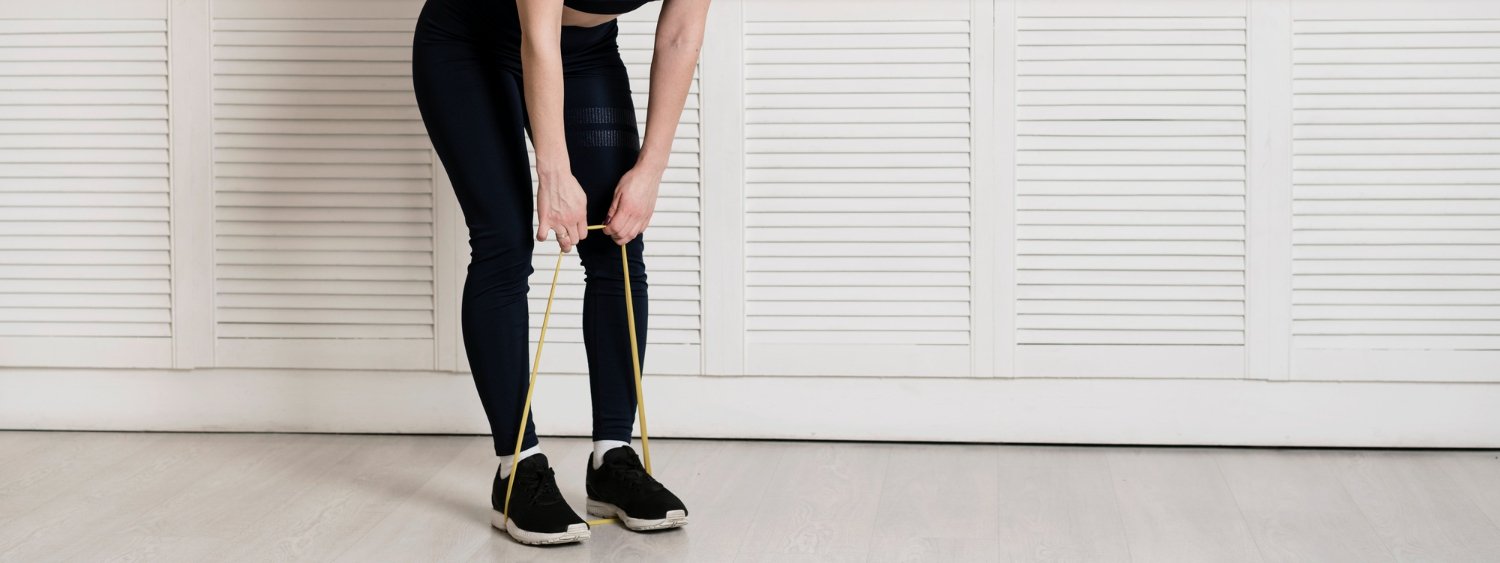
Legs with poor blood flow may experience relief through simple day-to-day practices such as regular walking, exercise, hydration, appropriate body weight, and diet that promotes healthy blood vessels. Nevertheless, one is advised to seek help from a vascular expert if symptoms such as painful legs, swelling, skin color change, and non-healing sores persist.
How to Improve Blood Circulation in Your Legs Naturally
Bad circulation doesn’t occur suddenly; instead, think of your blood vessels as a busy road. When things run smoothly, everything receives what it needs to function. When there is an obstruction or some other problem with blood flow, it is usually the legs that suffer.
Some problems with circulation can be helped by changing certain behaviors, while others indicate that something else is wrong with the blood vessels and requires further investigation.
Why Healthy Leg Circulation Matters
Good circulation ensures that your muscles, skin, and tissues get oxygenated blood, as well as aids in the removal of metabolic wastes that are accumulated due to normal activities.
Impaired circulation causes more effort by your legs, which might cause you to experience various problems like discomfort, swelling, and tiredness.
There are several vascular diseases that impair blood circulation, namely:
- Peripheral artery disease (PAD)
- Venous insufficiency
- Varicose veins
- Deep vein thrombosis (DVT)
- Lymphedema
Some causes are temporary. Others require treatment to prevent complications.
What Are the Signs of Poor Blood Circulation in Your Legs?
Inadequate circulation in the blood frequently leads to problems such as pain, swelling, numbness, cramps, skin discoloration, and slow healing wounds in the legs. This condition develops slowly and is not something that can be attributed to the natural process of aging.
Everyone experiences circulation problems differently. Some notice aching after standing all day. Others develop symptoms while walking short distances.
Common signs include:
- Cold feet or lower legs
- Tingling or numbness
- Leg cramps
- Swollen ankles
- Aching or heaviness
- Skin discoloration
- Dry or shiny skin
- Slow-healing cuts or ulcers
- Bulging varicose veins
If symptoms become frequent or continue getting worse, it’s time for a professional vascular evaluation.
Natural Ways to Improve Blood Circulation in Your Legs
Healthy habits can’t cure every vascular condition, but they often support better blood flow and may reduce everyday discomfort.
Walk Every Day
Walking acts like a natural pump for your legs.
Every step helps your calf muscles push blood back toward your heart. Even a 20 to 30-minute walk most days can make a noticeable difference.
If walking feels difficult, start with shorter sessions and gradually build your routine.
Keep Your Legs Moving
Prolonged sitting gives the chance for blood to collect in your lower legs.
Whether you’re working or traveling, make sure to get up from your seat every one hour. Some simple ankle rotations, calf raises, and light stretching exercises will help ensure the circulation of blood.
Small actions do have an impact, like slowly turning a rusty wheel every day.
Stay Hydrated
Water forms a great percentage of your blood. In dehydration, the blood gets too concentrated, hence making it difficult to circulate.
Take water all through the day and not just when you are thirsty.
Drinking water will not only keep you hydrated but will improve your cardiovascular system in general.
Maintain a Healthy Weight
Being overweight can cause extra strain to your veins and arteries. As a result, you may experience some difficulties with blood flow through them.
It doesn’t necessarily take much to feel a reduction in stress in your legs. This is similar to how carrying an easier pack makes you less tired while hiking.
Replace short-term solutions with exercise and healthy eating.
Elevate Your Legs
If you have exhausted yourself and feel tired legs at the end of a long day, you could try leg elevation as a way of alleviating your symptoms.
Elevate your legs at least 15 to 20 minutes above the level of your heart when resting. This will allow gravity to bring blood back up towards the heart.
Wear Compression Stockings When Recommended
Compression socks will help the veins in your legs feel supported.
Blood will flow upwards rather than pooling in your legs. Nevertheless, not all people can use compression socks. Individuals with certain arterial diseases need to consult a vascular expert before using compression stockings.
An evaluation is necessary to help find out the right type.
Quit Smoking
It causes damage to your arteries and makes you have unhealthy blood flow.
In the long term, it exposes you to diseases such as peripheral artery disease and other vascular problems. Smoking cessation will enable your arteries to work better and improve your heart health in general.
Every smoke-free day helps towards healthier blood flow.
Manage Health Conditions
The following conditions may harm your blood vessels over time: diabetes, hypertension, high cholesterol.
By following your treatment protocol, adhering to medication prescriptions, and going for regular checkups, you can help maintain healthy circulation.
Vascular health frequently begins with your general health.
What Habits Can Make Circulation Worse?
Sitting for prolonged periods of time, smoking, consumption of overly processed food, and lack of exercise are some of the daily practices that contribute to poor blood flow. Minor adjustments in your routine could result in better circulation.
Some habits quietly work against healthy circulation.
Watch for these common factors:
- Sitting for several hours without moving
- Standing in one position for long periods
- Smoking or vaping
- Wearing overly tight clothing around the legs
- Drinking too little water
- Eating a diet high in processed foods
- Ignoring ongoing leg pain or swelling
Breaking these habits doesn’t require overnight change. Small improvements made consistently often produce lasting results.
When Should You See a Vascular Specialist?
Natural treatments aid in circulation health, although not all vascular conditions can be treated this way.
When symptoms persist even if you are healthy, then your body is telling you to look for something else.
An assessment should be made when you experience:
- Leg pain while walking
- Swelling that doesn’t improve
- Varicose veins becoming larger or more painful
- Skin discoloration
- Non-healing wounds or ulcers
- Sudden warmth, redness, and swelling in one leg
- Numbness that keeps returning
This can be a result of various conditions including venous insufficiency, peripheral artery disease, deep vein thrombosis, and lymphedema.
At Laser Vascular Center, our vascular physicians employ ultrasound imaging technology to determine the underlying cause of your poor blood circulation. Whether it is the treatment of venous disorders, peripheral artery disease, wound management, and lymphedema, we tailor a plan according to your individual requirements.
The sooner the treatment, the better it gets!
FAQs
Can walking improve blood circulation in your legs?
Yes. Walking helps your calf muscles push blood back toward your heart, making it one of the simplest ways to support healthy leg circulation. Regular walks may also reduce stiffness and improve mobility, especially when combined with other healthy lifestyle habits.
Aim for at least 20 to 30 minutes of walking on most days. If you’re new to exercise, start with shorter walks and increase your time gradually.
Which foods help improve blood circulation?
Foods rich in nutrients that support heart and blood vessel health may help maintain healthy circulation. A balanced diet with vegetables, fruits, whole grains, healthy fats, and lean proteins provides the nutrients your circulatory system needs to function well.
Good choices include:
- Leafy greens
- Berries
- Citrus fruits
- Fatty fish
- Nuts and seeds
- Whole grains
- Beans
- Olive oil
Reducing processed foods and excess salt may also help manage swelling.
Can poor circulation go away naturally?
Some mild circulation issues improve with regular exercise, hydration, weight management, and other healthy habits. However, symptoms caused by vascular diseases such as peripheral artery disease or venous insufficiency usually require medical evaluation and, in some cases, treatment.
If symptoms continue for several weeks or become worse, don’t delay seeking professional care.
Are swollen legs always caused by poor circulation?
No. Swollen legs can result from several conditions, including prolonged sitting, pregnancy, certain medications, heart disease, kidney disease, lymphatic disorders, and venous disease. A proper vascular evaluation helps determine the underlying cause.
Persistent swelling should never be ignored, especially if it’s accompanied by pain or skin changes.
When should someone worry about poor blood circulation?
Seek medical attention if you develop severe leg pain, sudden swelling in one leg, skin discoloration, ulcers, numbness, or difficulty walking. These symptoms may point to an underlying vascular condition that benefits from early diagnosis and treatment.
Prompt evaluation may help reduce the risk of more serious complications.
Conclusion
Healthy blood circulation doesn’t depend on one big change. It’s built through consistent daily habits that keep your body moving and your blood flowing.
Walking more, eating nutrient-rich foods, staying hydrated, and avoiding long periods of sitting all support healthier legs. But if pain, swelling, varicose veins, skin discoloration, or slow-healing wounds persist, your body may be asking for more than lifestyle changes.
The sooner circulation problems are identified, the sooner the right treatment plan can begin.
Leave a Reply