


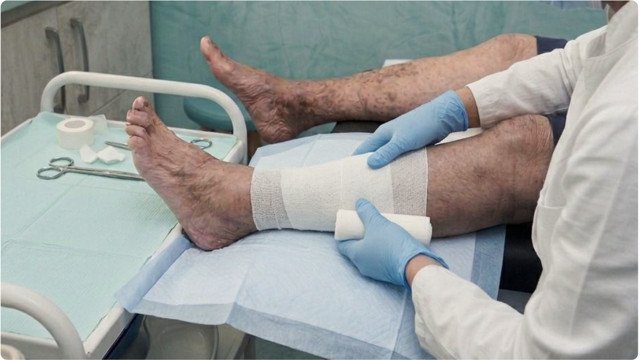
Most minor cuts and scrapes heal well on their own with good care. But some wounds don’t heal as expected and may get infected or become a chronic wound. If left untreated, these wounds can lead to severe complications, including tissue damage, hospitalization or even amputation.
Knowing when to see a wound care specialist in Phoenix can help you get the right treatment before complications develop. Early intervention can improve healing and get you back to your routine faster if you are diabetic, have poor circulation or a wound that is not healing.
What is a Wound Care Specialist in Phoenix?
A wound care specialist in Phoenix is trained in the diagnosis and treatment of acute and chronic wounds using evidence-based, advanced treatment techniques. These experts are dedicated to identifying the root cause of the wound and developing a personalized treatment plan to accelerate healing.
Often treated at a specialized wound care clinic in phoenix are:
- Diabetic foot ulcers
- Pressure sores (pressure ulcers)
- Leg ulcers – venous
- Arterial ulcers
- Surgical Incisions
- Burns.
- Trauma wound
- Skin cuts
- Wounds infected
- Chronic, non-healing wounds
10 Signs You Need a Wound Care Specialist in Phoenix
1. Your Wound is Not Healing
Most minor wounds begin to heal within a few days. If the wound does not show visible improvement after two weeks or if it is still open after four weeks, it may be a chronic wound.
A wound healing specialist can help determine the cause and recommend the most effective treatment.
2. You Have Diabetes
Diabetes can lead to poor circulation and nerve damage, which raises the likelihood of slow-healing wounds.
If you notice any of the following, get diabetic wound care in Phoenix immediately:
- Foot ulcers
- Blisters, Cuts
- Heel fissures
- Exposed wounds
Early treatment of diabetic foot ulcers in Phoenix can do a lot to reduce the risk of serious complications.
3. Your Wound Is Starting to Fester
Don’t ever ignore an infected wound.
Typical symptoms are:
- Redness.
- Swelling (oedema)
- Skin warm
- pus or discharge
- Bad smell
- Fevers
- Pain increasing.
Early treatment of infected wounds helps to prevent the spread of infection and promote faster healing.
4. The Wound Becomes Bigger
Some wounds get worse, not better.
This can be:
- Inadequate blood circulation
- Infection
- Pressure ulcer
- Pre-existing medical conditions
Getting to a wound care center in Phoenix early can help prevent more tissue damage.
5. Look at Fat, Muscle, or Bone
If the wound is so deep that fat, muscle, tendon or bone are showing, get medical attention right away.
Such wounds are far more liable to infection and need special treatment.
6. You Suffer From Poor Blood Circulation
Circulation problems from conditions like Peripheral Artery Disease (PAD) or Chronic Venous Insufficiency slow the healing of wounds.
Signs are:
- Leg edema
- Changes in skin color
- Cold feet
- Ulcers of the foot
- Pain that lasts a long time
A Phoenix wound care specialist can assess circulation issues and suggest appropriate treatment.
7. Your Wound Keeps Returning Back
“If it keeps opening up in the same spot, then there’s probably something else going on that is preventing it from healing completely.
A professional evaluation can identify whether factors such as:
- Diabetes Stress
- Bad circulation
- Infection 4.
- Nutritional deficiencies
Treat the underlying cause to help prevent the wounds from recurring.
8. Your Surgical Incision is Not Healing Properly
Most surgical incisions heal without difficulty.
But if you see:
- Drainage
- Incision gaped open
- Further reddening
- More hurt.
- Healing slowly
Schedule an appointment with a wound doctor in Phoenix.
9. The Pain Is Getting Worse
As healing occurs pain should lessen with time.
If the pain increases, it may be a sign of:
- Infections .
- Injury to tissue
- Involvement of nerves
- Poor circulation
Don’t dismiss pain that persists or worsens.
10. You develop a pressure sore (bedsore)
People who are immobile often develop pressure sores.
If pressure ulcers are untreated early on, the wounds may quickly become deeper and harder to treat.
Professional wound care preserves healthy tissue and facilitates healing.
Phoenix Advanced Wound Care Treatment
In Phoenix, modern advanced wound care treatments are available to hasten healing and reduce complications.
Treatment may include: The type of treatment you will receive will depend on your condition:
- Wound Debridement
- Advanced Dressings for Wounds
- Compression Therapy
- Negative Pressure Wound Therapy (NPWT)
- The use of hyperbaric oxygen therapy (HBOT)
- Cellular Tissue Product
- Infection Control
- Unloading Devices
- Customized Wound Care Plan
Your treatment plan is specific to your wound and your overall health.
Early Benefits of Visiting a Wound Care Specialist
Early treatment has many important benefits including:
- Wound healing – faster
- Infection risk is lower
- Less hurt
- Better circulation management.
- Prevention of chronic wounds
- Reduced risk of hospitalization
- Lower risk of amputation
- Better quality of life
The sooner you can get care, the better a chance you have of making a recovery.
How To Take Care Of Your Wound At Home
While you wait for your appointment, you can help the healing process by:
- Gentle wound cleansing
- Frequent dressing changes
- Regulating blood sugar
- Eating a lot of protein
- Hydration
- Prevention of Smoking
- Decrease pressure on the wound
- Look for signs of infection.
Follow the doctor’s orders and don’t try home remedies without medical advice.
Why Choose a Phoenix Wound Care Clinic Specializing in Wound Care?
Phoenix’s wound care clinic specializes in wound care and has state-of-the-art diagnostic tools, individualized treatment plans, and expert specialists who only work on healing wounds.
If you have a diabetic foot ulcer, venous leg ulcer, pressure injury or a non-healing surgical wound, expert care can help to promote healing and lessen the risk of serious complications.
Final Thoughts:
If you have a wound that is not healing, don’t wait for it to become more serious. Seeing a wound care specialist in Phoenix at the first sign of delayed healing can help prevent infections, reduce complications and promote faster recovery.
If you need care for a diabetic foot ulcer, an infected wound, or any other chronic condition, expert wound care in Phoenix can make all the difference in your health and quality of life.
Frequently Asked Questions (FAQ)
1. When should I see a wound care specialist in Phoenix?
If your wound hasn’t improved in two weeks, has become infected or you have diabetes and develop a wound on your foot, find a wound care specialist in Phoenix.”
2. What kinds of wounds does a wound care specialist in Phoenix treat?
They treat diabetic foot ulcers, pressure ulcers, venous leg ulcers, arterial ulcers, burns, surgical wounds, traumatic injuries and other chronic wounds that won’t heal.
3. What are the treatment options at a wound care clinic in Phoenix?
Treatment may include wound debridement, advanced wound dressings, compression therapy, Hyperbaric Oxygen Therapy (HBOT), Negative Pressure Wound Therapy (NPWT), infection management and cellular tissue products.
4. Do I need a referral to see a wound care specialist in Phoenix?
Each insurance carrier has different referral requirements. For specific guidance, please contact your healthcare provider or local wound care clinic.
5. Can a wound care expert help diabetic foot ulcers?
Yes. Phoenix wound care specialist offering specialized diabetic wound care and diabetic foot ulcer treatment to help reduce the risk of infection and amputation.
6. How long is the treatment of the wound?
How fast a wound heals depends on the type of wound, your general health, your blood circulation and how well you follow the treatment regime we give you.
7. Does bad circulation affect wound healing?
Yes. Poor circulation means less oxygen and nutrients reach the wound, so healing takes longer and there’s a higher chance of an infection.
8. How can I avoid chronic wounds?
Control your blood sugar well . Inspect your skin every day . Keep your wounds clean . Don ’t smoke . Eat a balanced diet . See a doctor if you have a wound that is not healing properly .
Leave a Reply