


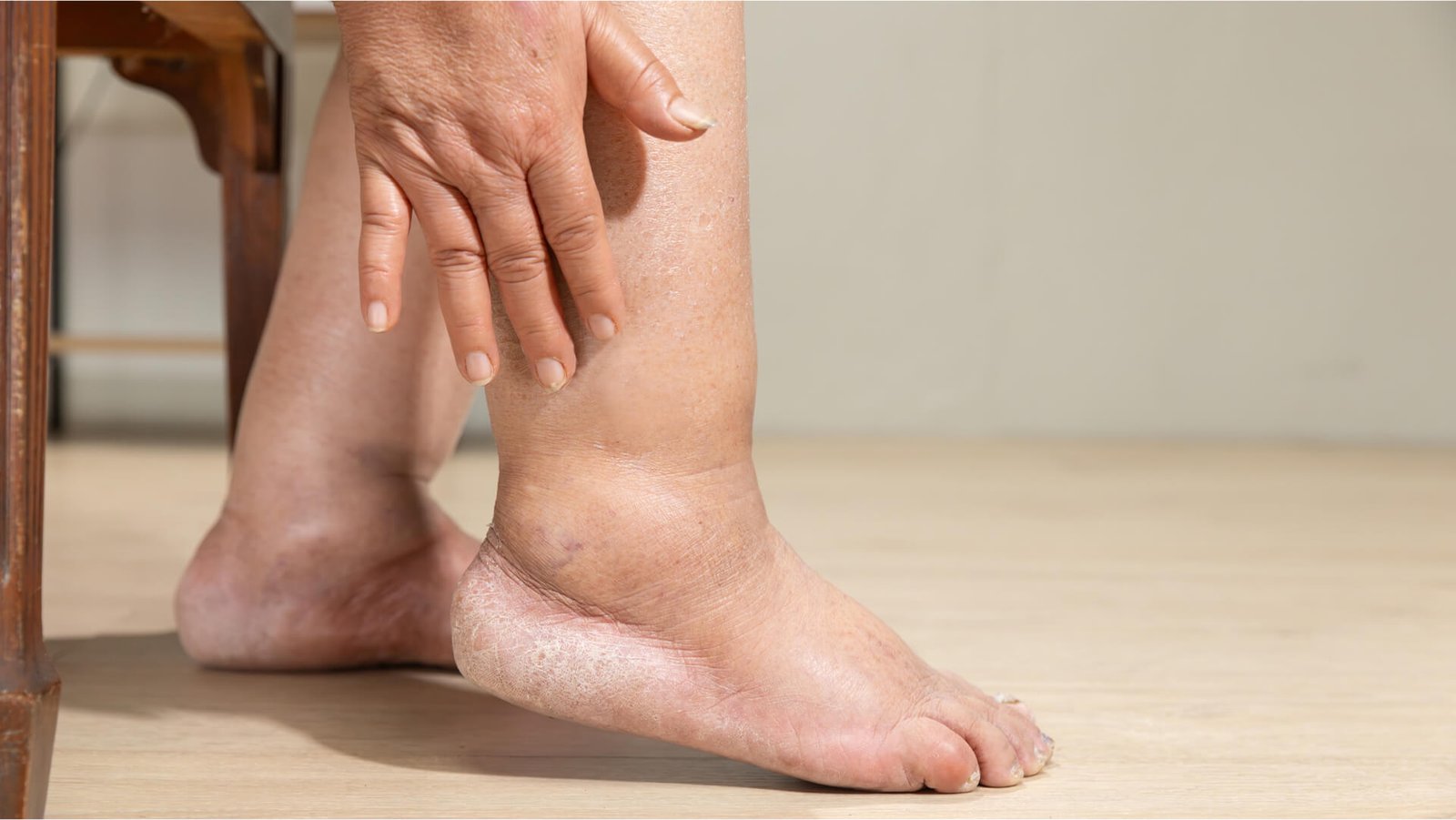
Peripheral Artery Disease Symptoms are often ignored in the early stages because many people assume leg pain, numbness, or slow movement is simply part of ageing. However, Peripheral Artery Disease (PAD) is a serious circulatory condition that can affect blood flow to the legs and increase the risk of heart attack and stroke if left untreated.
Understanding Peripheral Artery Disease Symptoms early can help patients seek proper medical care before complications become severe. In this guide, we’ll explain the most common warning signs, causes, risk factors, and treatment options available for PAD.
What Is Peripheral Artery Disease?
Peripheral Artery Disease, commonly known as PAD, occurs when fatty deposits build up inside the arteries and reduce blood flow to the limbs, especially the legs. This condition is caused by atherosclerosis, where arteries become narrow and hardened over time.
Many patients experience Peripheral Artery Disease Symptoms slowly, which is why the condition often goes undiagnosed until it becomes more serious.
Common Peripheral Artery Disease Symptoms
The symptoms of PAD may vary depending on the severity of the blockage. Some patients experience mild discomfort, while others may struggle with walking or daily activities.
1. Leg Pain While Walking
One of the most common Peripheral Artery Disease Symptoms is leg pain or cramping during walking, also known as claudication. The pain usually improves with rest and returns when walking again.
2. Numbness or Weakness in Legs
Reduced blood circulation can cause numbness, weakness, or a heavy feeling in the legs.
3. Coldness in Lower Leg or Foot
If one leg or foot feels colder than the other, it may indicate poor circulation caused by PAD.
4. Slow-Healing Wounds
Cuts or sores on the legs and feet that heal slowly are important Peripheral Artery Disease Symptoms that should never be ignored.
5. Changes in Skin Colour
PAD can cause skin to appear pale, bluish, or shiny due to restricted blood flow.
6. Hair Loss on Legs
Reduced circulation may lead to slower hair growth or hair loss on the legs and feet.
7. Weak Pulse in Feet
Doctors often check the pulse in the feet because weak or absent pulses can indicate arterial blockage.
Table: Common Peripheral Artery Disease Symptoms and Their Possible Causes
| Symptom | Possible Cause |
| Leg cramping while walking | Reduced blood flow to leg muscles |
| Cold feet or legs | Poor circulation |
| Slow-healing wounds | Limited oxygen supply |
| Numbness or weakness | Artery narrowing |
| Skin colour changes | Restricted blood circulation |
| Weak pulse in feet | Blocked arteries |
What Causes Peripheral Artery Disease?
Several lifestyle and health conditions increase the risk of PAD. The most common causes include:
- Smoking
- High cholesterol
- High blood pressure
- Diabetes
- Obesity
- Lack of physical activity
- Family history of vascular disease
- Ageing
People with diabetes and smoking habits are at especially high risk of developing severe Peripheral Artery Disease Symptoms.
Why Early Diagnosis Matters
Ignoring Peripheral Artery Disease Symptoms can lead to serious complications, including:
- Severe circulation problems
- Tissue damage
- Foot ulcers
- Infection
- Increased risk of stroke
- Increased risk of heart attack
Early diagnosis allows doctors to recommend treatments that improve circulation and reduce long-term health risks.
How Is PAD Diagnosed?
Doctors use several methods to diagnose PAD, including:
Physical Examination
The doctor checks blood flow, pulses, and visible symptoms.
Ankle-Brachial Index (ABI)
This simple test compares blood pressure in the arms and legs.
Ultrasound Imaging
Ultrasound helps identify blocked or narrowed arteries.
Angiography
Advanced imaging may be used to examine blood flow in detail.
Treatment Options for Peripheral Artery Disease
Treatment depends on the severity of the condition and the patient’s overall health.
Lifestyle Changes
Many patients improve their symptoms through:
- Quitting smoking
- Regular walking exercises
- Healthy diet changes
- Weight management
- Diabetes control
Medications
Doctors may prescribe medications to:
- Lower cholesterol
- Control blood pressure
- Prevent blood clots
- Improve blood circulation
Minimally Invasive Procedures
Some patients may require procedures such as:
- Angioplasty
- Stent placement
- Atherectomy
These treatments help restore healthy blood flow without major surgery.
When Should You See a Vascular Specialist?
You should seek medical attention if you experience:
- Leg pain while walking
- Persistent numbness
- Slow-healing wounds
- Cold feet or toes
- Skin colour changes
- Difficulty walking due to pain
Early treatment can prevent complications and improve quality of life.
Final Thoughts
Peripheral Artery Disease Symptoms should never be ignored, especially if they affect your ability to walk, exercise, or perform daily activities. Early diagnosis and proper treatment can significantly improve circulation and reduce the risk of serious complications.
If you notice warning signs such as leg pain, numbness, or slow-healing wounds, consulting a vascular specialist can help you receive the right diagnosis and treatment plan before the condition worsens.
Frequently Asked Questions (FAQs)
What are the first Peripheral Artery Disease Symptoms?
The earliest symptoms usually include leg cramping while walking, numbness, and cold feet caused by poor circulation.
Is Peripheral Artery Disease dangerous?
Yes, untreated PAD can increase the risk of heart attack, stroke, infections, and severe circulation problems.
Can Peripheral Artery Disease be treated without surgery?
Many cases can be managed with lifestyle changes, medications, and minimally invasive treatments.
Who is most at risk for PAD?
Smokers, diabetic patients, people with high blood pressure, and individuals with high cholesterol are at higher risk.
Does walking help Peripheral Artery Disease Symptoms?
Yes, supervised walking exercises can improve circulation and reduce symptoms over time.
When should I see a doctor for leg pain?
You should consult a vascular specialist if leg pain occurs regularly while walking or if wounds heal slowly.
Leave a Reply